Government approves controversial M56 Tebay-style service station despite local opposition

Government approves controversial M56 Tebay-style service station despite local opposition

Controversial plans to build a large service station on the M56 modeled after the popular Tebay Services have received approval from Housing and Planning Minister Matthew Pennycock. The project, situated on a 39-acre site, will feature a fuel station, farm shop, and a 100-bed hotel, and should create 300 jobs. But it faced strong opposition from Trafford's Green councillors and local residents, who argue it will negatively impact businesses in nearby Altrincham, Sale, and Hale Barns on the Cheshire border. The plan, a collaboration between Tebay services owner Westmorland and the Tatton Estate, was first approved in October 2023, but then called in for a public inquiry due to concerns over the use of the site's Green Belt land. In response to the decision, campaigner Bill Dixon said "I am very disappointed because the minister insisted that the service station should not be a destination in its own right, but, in my view, it will be as all the evidence shows. "It will cause traffic chaos on the A556-M56 junction and do enormous harm to businesses in Altrincham. It's a sad day for Trafford." At the time the application was submitted, Green councillors on Trafford's planning committee had also spoken out against the plans. In a letter confirming the decision, Mr Pennycock concurred with the planning inspector's conclusion and recommendation that the requirement for a motorway service station in the region was 'indisputable' and there was no feasible alternative site. Those against the decision have a six-week window to apply to the High Court if they wish to contest the ruling. The main issues at the inquiry included the need for the motorway service area (MSA), the economic impacts and the impact on the green belt. The report from the Secretary of State says: “The Secretary of State agrees with the inspector’s conclusion that the need for a MSA on this part of the strategic road network is indisputable, that the proposal would reduce a significant number of gaps and reduce others, and that there is no realistic prospect of an equivalent alternative site. “She further agrees that the safety and welfare benefits endorsed by National Highways should be given substantial weight.” Examining the local economic impact, the report adds: “The Secretary of State agrees with the inspector’s conclusion that the extent to which the proposal would be likely to act as a local destination in its own right, as opposed to a destination of choice for motorists making a long journey on the strategic road network, would be extremely limited. “There is no basis to conclude that it would result in unsustainable patterns of travel in general.” The report also says she agreed the economic and social benefits, taking account of any potential minor effects on nearby centres, ‘are such to merit substantial positive weight’.

'Depressing' statement from award-winning bakery explains reason behind price increase

'Depressing' statement from award-winning bakery explains reason behind price increase

A Greater Manchester bakery that was recently named one of the best in the UK has shared a candid update about the challenges of running a business in the current financial climate with hospitality businesses under huge pressure. Long Boi's Bakehouse, which was credited with bringing "new life" to Levenshulme in The Good Food Guide's Britain's Best Bakeries 2025 list just last month, took to social media to explain the reason behind their recent price increases. The bakery revealed that the cost of ingredients has skyrocketed over the past five years, with chocolate prices rising by 232% and cheese by 255%. In a post on Instagram, the team wrote: "A few of the eagle eyed amongst you might've noticed that we upped all our prices in the bakery as of Tuesday, and just wanted to do a little post to a) publicly acknowledge that (don't want you all to think we're being sneaky) and b) explain why. "Tbh I don't think it'll be news to any of you that the cost of everything has gone WILD, but I thought I'd write up some actual examples of changes in ingredient prices since we opened - swipe for quite frankly a depressing AF read. "I actually can't believe chocolate was ever that cheap, what a time to be alive! ! ! "Basically, combine this with soaring energy prices, wanting to use only the best stuff in our bakes and making sure nine lovely staff are paid above Living Wage as standard (maybe the most important bit! ) - means that raising our prices slightly was the only way to keep on top of this balancing act. "Really hope you can all understand! Running a business is hella crazy right now, big love to all our fellow independents going through it." On the second slide of the social media post, reports the Manchester Evening News, the team revealed some of the stats behind running the bakery. For example, 10kg of butter has gone up from £39 in 2020 to £86.95 in 2025. As well as the steep dark chocolate increase of 232 percent and cheddar cheese skyrocketing from £17.08 for 6kg in 2020 to £60.48 this year, they shared how 16kg of strong flour was costing them £10.20 and is now £25.60, a 151 per cent increase. The neighbourhood bakery took over a disused site back in late 2020 and was brought to life by Pollen bakery alumnus Jenny Oakenfull. Manchester's Pollen was also named on The Good Food Guide list. Run by a team of solely women, the team at Long Boi's Bakehouse are dedicated to making food that is 'delicious, fun, interesting and exciting'. Ingredients are sourced from Organic North and R Noone and Son, while their flour comes from Wildfarmed who believe in the power of regenerative farming. Patrons and fellow bakers commented on the post to show their appreciation for the bakery's candidness about its economic challenges. One customer commented: "Thanks for sharing. Wild how small businesses have to announce and justify increases but Sainsbury's et al never do so." Another said: "Never seen trading conditions like this. Been baking for 18 years and in hospitality for 30. The latest NI contributions are the final nail." A fellow Sheffield bakery said: "We actually thought we were going mad when I said butter used to be under £40 - I had to check our old price lists to make sure I in fact wasn't going bonkers. "Hard to imagine how we've even come through these last 5 years. Lots of flat whites. "Love the transparency. The info in black and white really hits home even for those of us that are paying it too!". A supportive client shared an encouraging message: "Amazing transparency Jenny. I would keep coming even if you put up a million percent."

How Fenwick has shown its staying power amid the decline of department stores

How Fenwick has shown its staying power amid the decline of department stores

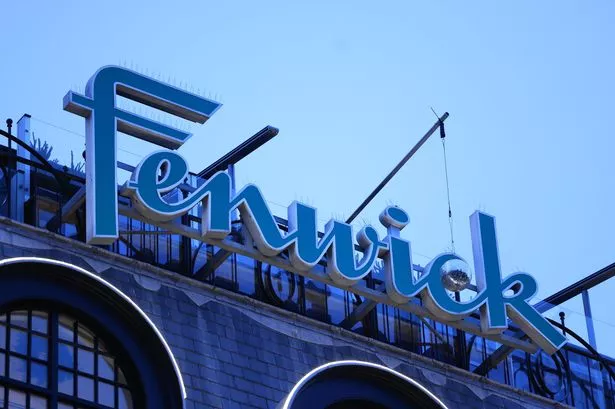
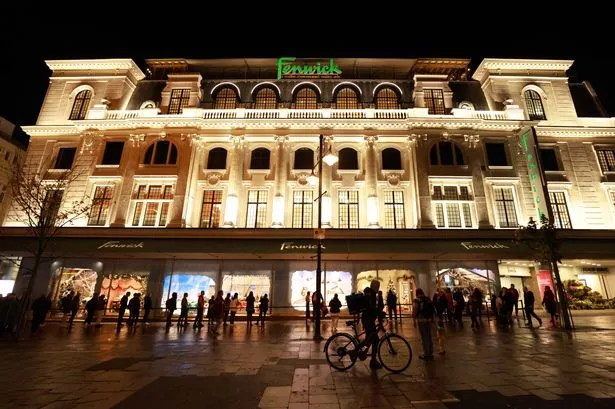
Since the collapse of BHS in 2016, the country has lost at least 80% of its main department stores. The staggering decline of this British institution has also seen high profile casualties in chains such as House of Fraser, Beales and Debenhams, not to mention regional independents. But others have managed to weather a difficult decade, despite the myriad challenges from Covid, to lacklustre consumer confidence and fierce online competition. This week historic, North East-born brand Fenwick has been in the news due to efforts to cut costs - with bosses stressing there are no plans to close stores. The family-run chain, which was a latecomer to the digital world in 2019, has been making behind-the-scenes changes linked to the hosting of its website. Despite acknowledging growth will come from online, and taking occasional criticism from retail pundits, the operator of eight stores across the country has also been pouring energy into its bricks and mortar estate - focusing significant investment in its flagship Northumberland Street store in Newcastle. That comes as bosses have identified that till sales will continue to dominate revenue “for the foreseeable future”. So concurrent with the wider sector’s decade of decline, Fenwick has been remaking its landmark Newcastle store. It started with the relaunch of its multimillion-pound foodhall in late 2015 - just months before BHS’ demise. The two-year project injected new life into the Northumberland Street site, encouraging shoppers to linger while they ate at one of the venue’s modern eateries - set up with significant involvement from prominent Newcastle restaurateur Terry Laybourne. The project also brought in enticing merchandising of premium food and drink brands - many from the North East - which made for ideal gift shopping. The move was a canny one for Fenwick, which foresaw a crescendo of dining out activity, albeit one that was later curtailed by Covid. It cemented the retailer’s place at the lead of the mid-market retail offer in the city and helped renew Geordies’ fondness for the store, which beforehand had begun to look dated. Mr Laybourne’s hand in the success has also been the precursor to a run of high-profile partnerships with other North East names in recent years, including the headline-grabbing silver service pop-up bistro run in collaboration with fellow high street stalwart Greggs. The tongue-in-cheek take on fine dining served the food-on-the-go firm’s festive bakes and sausage rolls to punters, with waiting staff revealing the pastry treats, plus accoutrements, from beneath silver cloches. The concept’s first outing in 2023 received such interest that it returned last year - though this time in the shape of a Greggs champagne bar where menu favourites were paired with expensive tipples. There has also been work with city cocktail bar Mother Mercy, which opened a venue on the store’s ground floor and has since expanded. Meanwhile, Northumberland Micheln star restaurant Hjem last year extended a well-received residency in which it offered a menu inspired by the respective Swedish and local background of its founders, chef Alex Nietosvuori and wife Ally. And this week is the opening of its latest collaboration, with South Shields’ fish and chips favourites Colman’s - who will serve cod and chips in the city centre store as well bringing in local independents Geordie Bangers and Great North Provisions to bring local provenance to its battered sausage and pie options. There has been more activity besides food too. Last year saw the launch of what it says is the largest beauty hall outside of London - exclusively bringing cosmetics names Hourglass, Charlotte Tilbury and Le Lab to the city. That came alongside the launch of an official Newcastle United retail concession in the store, following Fenwick securing exclusive rights to become the club’s official luxury retail store partner. This week celebratory messages adorn the store’s Blackett Street and Northumberland Street windows following Newcastle’s sensational cup final win at the weekend. And another historic Tyneside neighbour Barbour - with 130 years to its name vs Fenwick’s 143 years - teamed up with the retailer last autumn to launch the ‘Barbour Tea & Toasties’ cafe which is decorated with Barbour-style furnishings and occupies a scenic position overlooking Grey’s Monument. The pop-up is expected to run until the end of this month.

Bristol's high street businesses join calls for government to rethink business rates proposals

Bristol's high street businesses join calls for government to rethink business rates proposals

Bristol retailers are among thousands of high street businesses urging the government to reconsider plans to raise business rates for the largest properties. High Streets UK, a partnership of more than 5,000 businesses across the country, said the move would place a "disproportionate burden" on flagship stores. Under plans, properties with a rateable value of more than £500,000 could be subject to a business rates multiplier up to 10p higher than the current levy. The idea is it will pay for a rates reduction on small high street businesses. The group said the upcoming 2026 revaluation added "further uncertainty" and would deincentivise near-term investment. The group has called on Sir Keir Starmer's government to conduct a full impact assessment of proposed multiplier increases and freezing any hike in the higher multiplier until 2027/28 to provide greater certainty. Vicky Lee, director of Bristol City Centre BID on behalf of Visit West Bristol BIDs, said while business rates reform was necessary, it needed to "support, rather than hinder" the future of flagship high streets. "Bristol’s high street businesses are a crucial part of our city’s economy, driving jobs, tourism and investment," she said. "We urge the Government to take a balanced approach, ensuring that rates remain competitive and that businesses have the certainty they need to plan ahead. "A thriving high street benefits not just retailers, but the entire city, from independent businesses to local communities." Dee Corsi, chair of High Streets UK, added: “Flagship high streets are the economic and social anchors of our cities – they create jobs, drive local and national growth, and serve as vital hubs for communities. "Moreover, within a high street ecosystem, it is often the larger retail, leisure and hospitality units which drive footfall and spend in smaller neighbouring businesses. If you put these larger stores at risk, the impact will be felt across the entire high street. “As a collective voice for these high streets, High Streets UK is calling on the Government to take urgent action to safeguard their future, ensuring our city centres remain dynamic, competitive, and resilient.”

B&Q owner Kingfisher faces sales dip amid tough French consumer market but remains optimistic

B&Q owner Kingfisher faces sales dip amid tough French consumer market but remains optimistic

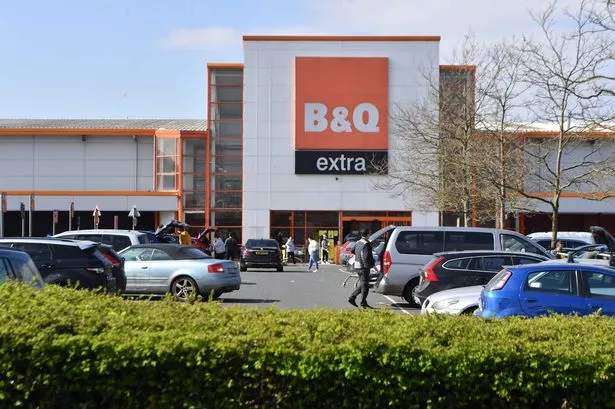
Kingfisher, the parent company of B&Q and Screwfix, has announced a decline in sales, largely driven by a weak consumer market in France. The company reported a 1.5 per cent drop in sales to £12.78bn for the year ending January 31, as reported by City AM. This decrease was primarily due to a 6.2 per cent fall in sales in France, while the UK and Poland remained steady. The operating profit of the B&Q owner fell by 29.7 per cent to £407m, and pre-tax profit saw a decrease of 35.4 per cent to £307m. Basic earnings per share nearly halved from 18.2p to 10.1p, with the company's total dividend remaining unchanged at 12.4p. Despite making cost savings of £120m during the year, Kingfisher faces an annual cost inflation of £90m. This is due to the combined impact of higher wages, increased employers national insurance contributions and their French equivalent, as well as the UK government's packaging fees regulations (the Extended Producer Responsibility scheme). Despite these challenges, Chief Executive Thierry Garnier remains optimistic, stating that the company is "in its best operational shape for years." He added: "For the first time in over six years, we grew our market share in all key regions." He also noted that the company delivered profit and free cash flow in line with or ahead of initial guidance, demonstrating strong delivery against strategic objectives. Kingfisher has reported that 'big-ticket' categories finally saw sales growth in the fourth quarter in both the UK and Poland, after years of Brits avoiding home renovations. Wickes echoed this trend in its annual results. "Looking to the year ahead, the recent government budgets in the UK and France have raised costs for retailers and impacted consumer sentiment in the near term.

JD Sports faces share price downgrade amid Nike stock challenges

JD Sports faces share price downgrade amid Nike stock challenges

Ahead of JD Sports' full-year results next month, London broker Peel Hunt has revised its forecast for the company due to short-term industry challenges. Peel Hunt has reduced its projected pre-tax profit and earnings per share for JD Sports by three per cent for the 2026 financial year, as reported by City AM. The downgrade is attributed to an excess of Nike stock, which "is likely to persist deep into JD's [next financial year]." JD's American revenue heavily relies on Nike footwear, but demand for the brand has waned over the past year. Shares in Nike fell to a five-year low last week after it reported a larger-than-anticipated drop in fourth-quarter revenue – marking its fourth consecutive quarter of declining sales. Nike has been grappling with a post-pandemic shift away from athleisure, as well as competition from emerging trainer brands Hoka and On. This has resulted in a significant surplus of 'Classic' footwear franchises: Air Force 1, Air Jordan 1, and Dunk. "Simply put, there is an awful lot of stock left to shift, and consequently, the whole industry margin structure is impacted," said analysts at Peel Hunt. "JD will not participate in heavy discounting, so while its gross margin should be robust, it is likely its Nike sales will suffer," they added. Since last September, JD Sports' share price has been on a consistent decline. Its value has dropped 52 per cent since mid-September. Currently, it stands at 72.4p, giving the retailer a market cap of £4.1bn. JD Sports continues to be a leading choice in the sector, according to Peel Hunt. The firm also highlighted that the decline in Nike product sales is unlikely to be offset by other goods due to low consumer confidence and spending. This has led to a general retreat from retail stocks, with many major brands suffering this year. High street sales growth has been notably weak post-pandemic and has yet to recover, which is particularly challenging for JD as its stores usually outperform its online channel. Earlier this year, the Pentland-owned company warned that profits would be lower than anticipated due to a "challenging and volatile market." However, despite the near-term challenges, the broker stated that JD Sports remains one of the top players in the footwear market. "In our view, JD will come out of these difficult industry times in a stronger position. It remains the big brands' partner of choice and continues to innovate both in-store and online."

B&Q owner sees profits plummet and warns over rising costs

B&Q owner sees profits plummet and warns over rising costs

B&Q owner Kingfisher has revealed its yearly profit dropped by more than a third, as it cautioned over rising costs following government budgets in the UK and France. The company generated a statutory pre-tax profit of £307m for the year to the end of January, a 35% decline on last year. Sales edged 0.2% higher in the UK and Ireland, compared with the prior year, but were down 1.7% across the group. Kingfisher, which also owns Somerset-based Screwfix, cited a tougher market throughout the year with weaker consumer sentiment, particularly in France, affecting sales. Government budgets raising costs for retailers and impacting consumers which would affect the year ahead, it said. The company proposed a dividend for the year of 12.40p per share, made up of an interim dividend of 3.80p for the six months ended July 31, 2024, and a final dividend of 8.60p. Last month, the Retail Jobs Alliance (RJA), which includes Kingfisher as well as brands such as Tesco and M&S, said retailers would face "a perfect storm" of additional costs from April. The group also warned the hike to national insurance for employers, which comes into force next week, as well as rising business rates for larger high street outlets would result in the loss of 300,000 jobs by 2030. Stuart Machin, chief executive of M&S, said at the time that retail was "being raided like a piggy bank" and called for immediate action to stimulate growth. "The blunt truth is... the budget means UK retail will get smaller," he added.

Morrisons to close 52 cafes and axe 365 jobs in huge shake-up

Morrisons to close 52 cafes and axe 365 jobs in huge shake-up

Morrisons, the supermarket behemoth, has placed 365 jobs in jeopardy as it unveils plans to shutter over 50 of its cafes. The chain, headquartered in Yorkshire, announced that 52 of its cafes, 17 convenience stores and a multitude of meat and fish counters within its stores are earmarked for closure, as reported by City AM. The company stated that these closures form part of a comprehensive review of the business. In addition to the cafes and convenience stores, 13 florists, 35 meat counters, 35 fish counters, four pharmacies and all 18 Market Kitchens are set to be closed. As reported by City AM at the end of January, the Yorkshire-based chain posted revenues of £15.2bn for the year ending 27 October 2024, an increase from £14.7bn. The group's like-for-like sales also saw a rise from 1.8 per cent to 4.1 per cent. Morrisons CEO Rami Baitiéh commented: "The changes we are announcing today are a necessary part of our plans to renew and reinvigorate Morrisons and enable us to focus our investment into the areas that customers really value and that can play a full part in our growth." He added: "Morrisons Cafés are rightly famous for their great quality well-priced food, their place in the local community and their appealing mix of traditional favourites alongside exciting new dishes." "In most locations the Morrisons Café has a bright future, but a minority have specific local challenges and in those locations, regrettably, closure and re-allocation of the space is the only sensible option." "Market Street is a beacon of differentiation for Morrisons and we remain committed to it." "But as we modernise we are making some necessary changes to the areas of the model which are simply uneconomic. In some stores where we are closing counters or Cafés, we plan to work with third parties to provide a relevant specialist offer." "Although these changes are relatively small in the context of the overall scale of the Morrisons business, we do not take lightly the disruption and uncertainty they will cause to some of our colleagues." "We will of course take particular care to look after all of them well through the coming changes." This move comes on the heels of a report by City AM in January that Sainsbury's was planning to eliminate more than 3,000 roles as it prepares to shut down all its remaining in-store cafes. The major restructuring will reduce its current workforce, which stands at 148,000, by two per cent. The move will also render about 20 per cent of senior management roles at Sainsbury's redundant. This initiative is part of the supermarket giant's plans to concentrate on fewer, larger roles and to streamline its head office and management teams.

Pizza Express lands £55m chunk of extra dough after refinancing deal

Pizza Express lands £55m chunk of extra dough after refinancing deal

Pizza Express has secured a significant financial uplift of £55m following a refinancing agreement that will substantially reduce its debt. The popular restaurant chain has successfully arranged a £55m par debt paydown, which will bring its debt level down to £280m, as reported by City AM. Additionally, as part of the refinancing strategy, shareholders including Bain Capital Special Situations are set to contribute £20m in equity to the firm's parent entity, Wheel Topco. The company has also confirmed "strong support" for extending the maturity of its senior secured notes from July 2026 to September 2029. More than 97% of existing bondholders have endorsed Pizza Express's refinancing deal, indicating widespread backing. The brand has reported a positive start to its financial year, with like-for-like sales up by 1.3% in the first two months compared to the same period in the previous year. In a statement, Pizza Express highlighted that it now possesses "a robust liquidity position on completion, supported by its strong track record of cash generation." CEO Paula MacKenzie expressed satisfaction with the company's performance at the beginning of the year and emphasised the significance of the refinancing: "We are pleased with our start to the year, and completing a landmark refinancing ends Q1 strongly." As Pizza Express approaches its 60th anniversary, MacKenzie reaffirmed the company's commitment to customer satisfaction: "This year we celebrate being 60 years young with Pizza Express fans up and down the country, and our focus remains unchanged as ever...delighting each and every one." The refinancing agreement arrives just over 18 months after the firm contemplated a takeover bid for The Restaurant Group, which encompasses Wagamama. However, a deal was not ultimately pursued.

Potato chips giant McCain doubles profit to nearly £100m in just three years

Potato chips giant McCain doubles profit to nearly £100m in just three years

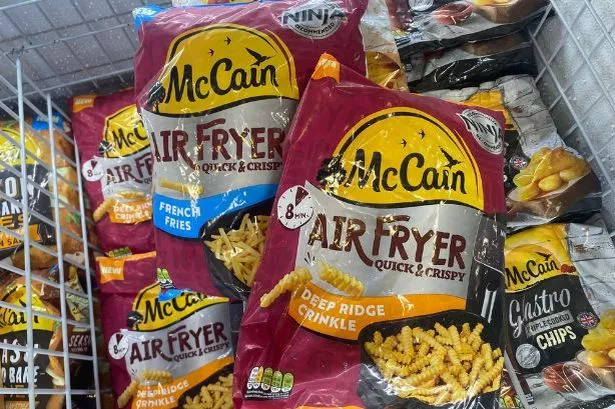
The UK division of potato giant McCain Foods has seen its profits soar to nearly £100m in its most recent financial year. The North Yorkshire-based UK branch of the Canadian behemoth reported a pre-tax profit of £98.7m for the 12 months ending on 30 June, 2024, as reported by City AM. This figure, disclosed in new accounts submitted to Companies House, is an increase from the previous year's pre-tax profit of £77.3m. This latest total indicates that McCain has almost doubled its pre-tax profit since June 2021. The newly released results also reveal that the company's revenue leapt from £712.5m to £799.1m during the same period. While McCain's UK revenue increased from £692.4m to £781.1m over the year, sales in the rest of Europe fell from £18.6m to £15.6m. However, in other parts of the world, revenue rose from £1.5m to £2.2m. A statement approved by the board read: "The business had to manage multiple challenges across the supply chain impacting costs and supply." It added: "Farmers faced weather-related challenges throughout the season due to wet weather as well as increased pressure from rising input costs including fuel and fertilisers." Despite these obstacles, the statement noted that sales growth was positive in both retail and food service sectors, and the business continued to support long-term agricultural sustainability through higher contract pricing in line with indexation and supplementing high energy costs for storage growers. "The company continued to make significant investments throughout the year in both capital, including the renewal of the Scarborough facility, and the brand, including media advertising." On its future strategy, McCain commented: "As a brand leader, the company believes it can continue to stimulate growth in a planet-friendly way, through innovation, quality and service and continues to invest in capacity to support this growth." "The company has a crisis management plan in place to respond to risks, including Covid-19 and the Russia-Ukraine crisis." An interim dividend of £8m was addressed for the fiscal year ending 30 June, 2024, but the board has not proposed a final dividend.

Deliveroo called 'underappreciated' after quitting Hong Kong as rivals 'muscle it out'

Deliveroo called 'underappreciated' after quitting Hong Kong as rivals 'muscle it out'

London brokerage firm Panmure Liberum has hailed Deliveroo as "underappreciated" following its strategic withdrawal from the Hong Kong market. The firm downplayed concerns that the takeaway behemoth might be ousted from other markets by wealthier rivals, labelling such worries as mere "noise". This morning, Deliveroo disclosed its departure from Hong Kong, offloading some assets to Foodpanda and winding down others, as reported by City AM. The London-traded delivery service explained that persisting in Hong Kong "would not serve shareholders' best interests" Panmure Liberum analysts believe that Deliveroo's financial performance will see a positive impact from this move: "Both earnings before interest, tax, depreciation and amortisation (EBITDA) and group GTV growth [revenue] are set to benefit from this market exit," they commented. "[We think] Deliveroo can generate a level of cash flow over the long-term that is currently underappreciated by the market," Panmure further stated. While acknowledging the narrative that Deliveroo could be forced out of smaller markets by larger, better-funded competitors, analysts insisted that such fears should be considered "noise around the investment case." Keeta, an aggressive on-demand delivery titan from China known for its price-cutting tactics, entered the Hong Kong scene in May 2023 and swiftly dominated order volumes by the following May. Data from Measurable AI indicates that by January 2025, Keeta had captured a commanding 55.2 per cent market share. Analysts have noted: "With Hong Kong one of the most discount sensitive markets in Deliveroo's portfolio, it's clear that Meituan's Keeta has been able to muscle it out of the market through discount spend." In 2024, Hong Kong accounted for five per cent of Deliveroo's revenue and negatively impacted international revenue growth by five percentage points. Deliveroo reported a six per cent rise in revenue in the fourth quarter of 2024, aligning with its projected growth of between five and nine per cent.

Asos and Boohoo to press on with US warehouse closures despite Trump tariffs

Asos and Boohoo to press on with US warehouse closures despite Trump tariffs

Despite the imposition of President Donald Trump's tariffs, Asos has confirmed its plans to proceed with the closure of its distribution centre in Georgia, USA. The fast-fashion group had announced at the beginning of the year that it would be shutting down its US base as part of a strategy to enhance profitability and streamline operations, as reported by City AM. Consequently, US customers will now be served from Asos' automated UK fulfilment centre in Barnsley, alongside a "smaller, more flexible local US site." These plans were formulated prior to Trump introducing a 10 per cent tariff on UK exports to the US last week. In response to City AM, Asos affirmed that the Atlanta warehouse closure would continue in the second half of the year. Asos had projected a £10m to £20m boost to pre-tax earnings from 2026 in January, despite anticipating a £190m impairment this year. Following Trump's tariff announcement, Asos shares fell from 293p to 248p, but have begun to recover modestly today, gaining around two per cent. Boohoo has also decided not to reverse its US closures, having confirmed in September last year that it would cease supplying US customers from its Pennsylvania distribution centre. Orders will now be fulfilled from the fast-fashion retailer's automated distribution centre in Sheffield, significantly reducing costs and enabling the firm to market a broader range of products in the US. Boohoo has confirmed to City AM that it will not reverse its decision.

Historic department store Jolly's in Bath to reopen

Historic department store Jolly's in Bath to reopen

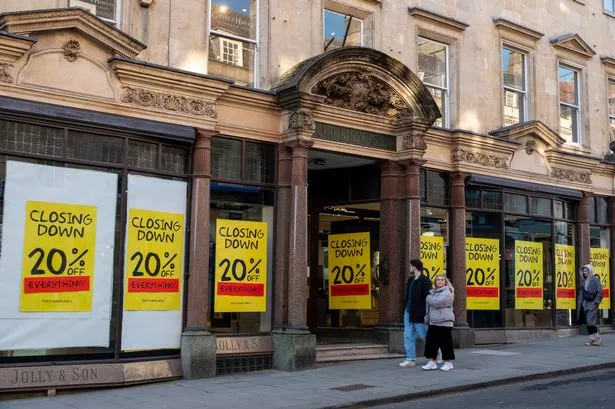
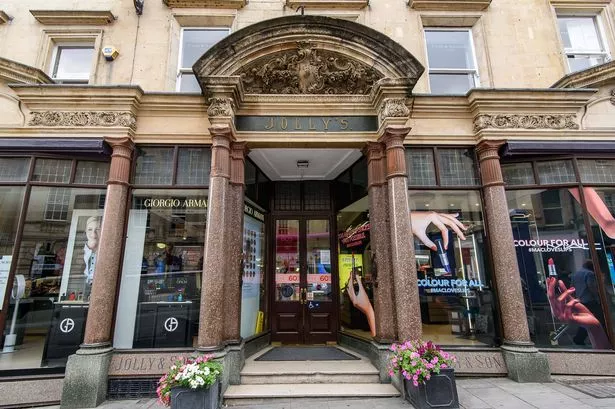
A 200-year-old department store in Bath which announced its closure in December is reopening. Jolly's on Milsom Street has been a fixture in the city since 1823 and was run until recently by House of Fraser. The shop - one of the oldest of its kind in Europe - has now been acquired by Morleys Stores. The independent retailer was established in 1927 and owns and operates eight department stores across the UK. The company has pledged to restore Jolly's to its "former glory" and honour its "deep-rooted legacy", while revitalising the shopping experience in Bath. It has also promised to retain the Jolly's name. When the store reopens next year it will sell a selection of fashion, beauty and homeware products. It will also offer a full-service beauty experience and food and drink on site. Allan Winstanley, chief executive of Morleys Department Stores, said: “We are thrilled to be bringing Jolly's back to life and to be part of the vibrant retail landscape in Bath. "Our approach is to treat each of our stores as a unique independent department store, ensuring we create an exceptional shopping experience tailored to the local community." Bath & Northeast Somerset Council has been working to secure the future of the much-loved store. In December, the local authority said it was in advanced stages with a third-party occupier but did not reveal who it was. Councillor Kevin Guy, Bath & Northeast Somerset Council leader, said: “Morleys Stores will bring an exciting shopping experience to residents and visitors alike and I am delighted to welcome the business to our vibrant city. Milsom Street has always been a very special shopping destination and Morleys’ decision complements the investment the council is making in the Milsom Quarter.” Bath City Council and Morleys will immediately begin a major refurbishment of the historic building. The store will open in two phases with an initial launch in March 2026, followed by a full completion and grand opening in October next year. Jess Merritt-John, the former Jolly's store manager, has been retained and will oversee a dedicated heritage space within Jolly's throughout the refurbishment. The space will showcase the store’s history and plans for its future, as well as renovation updates. Councillor Mark Elliott, cabinet member for resources, added: “We set out the council’s commitment to the local economy in our ten-year Economic Strategy and this investment is a very positive recognition of the great retail offer our city has and the work the council has undertaken to support it.”

Jolly's new owners promise store will be restored to 'former glory' – but roof repairs will take time

Jolly's new owners promise store will be restored to 'former glory' – but roof repairs will take time

The new tenants of Jolly's have pledged to restore the store to its "former glory", although there will be a year-long hiatus before the store can reopen as the council undertakes extensive repairs to the roof costing millions. The iconic Milsom Street store was shuttered by the Frasers Group last month, but now department store chain Morleys has declared it will be reviving the store, retaining its name and previous store manager. Morleys CEO Allan Winstanley told the Local Democracy Reporting Service: "Jolly's will be returned back to its former glory as a premium end branded department store." However, the store will remain closed for approximately a year while Bath and North East Somerset Council, which owns the building and acts as the store's landlord, carries out crucial restoration work on the roof. When questioned about the cost of the works, Mark Elliott, the council cabinet member for resources, admitted: "We honestly don't know yet. It will be millions of pounds. We honestly don't have a price yet." The extensive façade of Jolly's runs nearly 50 metres along Milsom Street, with the shop extending through to John Street under a complex network of old and new roofing. Mr Elliott noted that the bulk of the council's financial outlay would be on the roofing, while the interior refurbishments, including the new fit-out, will be mostly financed by Morleys. Morleys is expected to take custody of the building in February 2026, with plans to partially open the premises by March of the same year. The establishment is set to include a "heritage space" to highlight the historical significance of Jolly's as well as the vision for its refurbishment, culminating in a fully-fledged grand opening scheduled for October 2026. Council leader Kevin Guy said: "Milsom Street has always been a very special shopping destination and Morleys Stores is a fantastic fit for the area. Morleys' decision complements the investment the council is making in the Milsom Quarter." The revelation that Morleys would take over the site came weeks after Frasers shut down operations there, though the council said it had been in discussions with Morleys about the takeover for the past 18 months. Mr Guy said: "We have been working very hard because we knew House of Fraser was struggling." Morleys, established in 1927, boasts seven other department stores across London and one in Newbury. In the face of challenging economic conditions, Mr Winstanley confidently remarked: "We trade well." He added: "We are a community-based store chain. We are not reliant too much online; it's a smaller part of our business. We are actually a bricks and mortar classic retailer but we are very customer-focused and we are very service-focused as well. We provide high service which our brand partners appreciate." The origins of the iconic Bath shopping destination dates back to 1811 when James Jolly initiated his drapery business in Kent and branched out with a store in Bath by 1823. The department store, which had transformed into a House of Fraser outlet in 1971, closed this February. The new Jolly's will offer a "carefully curated selection" of fashion, beauty, and homeware. A "full service" beauty experience is on the cards, along with the promise of "exclusive names never before seen in Bath." Jess Merritt-John, who continues her role as manager under the new management, said there was a keen interest among former staff to rejoin the team, saying: "I have got a queue of people who are desperate to come back. "I think they feel very passionate about it being the best department store it could possibly be."

Stonehenge: Major expansion at site as 'Neolithic classroom' and learning centre approved

Stonehenge: Major expansion at site as 'Neolithic classroom' and learning centre approved

Major development plans have been greenlit at the Stonehenge visitor centre, with Wiltshire Council approving a planning application for new educational facilities. The application was submitted to the council by English Heritage in November 2023, seeking permission to erect two new buildings roughly 2.5 miles west of the Stonehenge Circle. As per the proposal, these plans form part of a broader investment strategy aimed at enhancing the visitor experience at Stonehenge. The first building is set to be a new learning centre located east of the Ancillary Building, next to the shuttle bus turnaround north of the visitor centre. The second building, as per the plans, will be a 'Neolithic structure' housing a 'Neolithic classroom', situated east of the visitor centre, close to the existing 'Neolithic village'. The learning centre, with a total floor area of 397 square metres, will feature a STEM lab and a learning studio linked to outdoor spaces. Meanwhile, the "Neolithic classroom" will draw inspiration from evidence of Neolithic communal buildings discovered at Durrington Walls, located in the north-eastern part of the World Heritage Site. The proposed area is set to offer an "immersive and authentic" experience, combining "costumed storytelling, object handling and hands-on activities" to give students a more profound appreciation of Neolithic life. The application from English Heritage stated: "Given its international status and cultural significance, English Heritage believes that Stonehenge should have a sector-leading education offer as befits this unique and special place – one that ensures that all education groups, both free and paying visits, have a world-class experience." Additionally, English Heritage emphasised the commitment to sustainability by ensuring the new construction aims for net zero carbon in its operation. Wiltshire Council's case officer report acknowledged the potential increase in traffic due to the new facilities but noted that it would likely be bus traffic, aligning with the council's policy to reduce private car travel. The report concluded: "It is concluded that the public benefits of the proposal would outweigh the limited harm to heritage assets in the planning balance and refusal on heritage and landscape grounds would not be justified." The council therefore approved the proposals.

Retail sales fall as 'trade tensions' and 'autumn budget' hit high street

Retail sales fall as 'trade tensions' and 'autumn budget' hit high street

Retail sales in the UK saw a decline in March, with expectations of further drops as low consumer confidence exacerbates a decade-long downturn in retail. According to the latest trading survey by the Confederation of British Industry (CBI), sales volumes "markedly" fell in the year to March, as reported by City AM. This represents the steepest drop since July of last year and marks six consecutive months of decline, including five straight months of double-digit decreases. "Firms across the retail and wholesale sectors reported that global trade tensions and the Autumn Budget are weighing on consumer and business confidence, which is leading to reduced demand," said Martin Sartorius, principal economist at the CBI. These disappointing results pose a challenge for Chancellor Rachel Reeves, who is set to present the Government's Spring Statement on March 26. Sartorius added: "Tomorrow's Spring Statement is likely to focus on the persistent challenges facing the UK economy, reinforcing the need for policies that boost businesses' confidence to invest." He suggested measures such as reforming business rates, backing the British Business Bank's Growth Guarantee Scheme, and adequately funding the Growth and Skills Levy could bolster business investment plans and propel the government's growth ambitions. The findings from the CBI align with a survey conducted by KPMG, which revealed that Britons plan to reduce spending on everyday items. The survey, which polled 3,000 consumers, also indicated an increasing number of people feeling financially insecure. Analysts at AJ Bell have pointed out the twelve-month low for FTSE350 retailers, citing concerns over weak consumer confidence and unfavourable weather conditions impacting revenue. They also noted that rising costs from national insurance contributions, wages, utilities, and raw materials could further erode profits. The Centre for Retail Research (CRR) suggests that these recent challenges are exacerbating an issue that originated with the financial crisis in 2008.

Shein confirms plans for huge stock market float - and could pick London

Shein confirms plans for huge stock market float - and could pick London

Shein, the fast fashion behemoth, has confirmed its intentions to pursue an initial public offering (IPO), with London being a potential location for its listing. The company's chief executive, Donald Tang, spoke to The Times about the desire to go public as a means to bolster "accountability and transparency." While Shein had not previously set a firm date for its IPO, it is understood that the company engaged with the Financial Conduct Authority (FCA) last summer, amidst complications surrounding a US listing, as reported by City AM. Tang declined to provide details on the timing or expected valuation of the IPO but stated that Shein would list "whenever it's appropriate." Founded in 2012 in China and now headquartered in Singapore, Shein has been under fire for its environmental footprint and labour conditions. However, Tang defended the company, asserting that Shein "democratises" fashion and adheres to local regulations while maintaining low inventory levels to minimise waste. Acknowledging the UK as one of its top markets, Tang praised British regulators for their impartial approach to regulation, distinct from political influence. Shein has also joined the Confederation of British Industry (CBI), alongside major players like Shell and AstraZeneca, to reinforce its commitment to the UK market. This news of a possible London IPO comes at a time when the UK capital is facing challenges in attracting significant listings, with several companies preferring the New York Stock Exchange over the London Stock Exchange, including names such as Flutter and Arm. A potential Shein initial public offering (IPO) could significantly bolster London's financial sector. The company, a leader in fast fashion, was valued at a remarkable $66bn (£51.05bn) in 2023 and has been navigating intensifying competition from rivals like Temu. Initially eyeing a New York IPO in 2024, Temu changed course to London after failing to secure the necessary approvals from US regulators. Despite whispers of a near 40 per cent plummet in 2024 net profit, company spokesperson Tang firmly dismissed such rumours, asserting that growth metrics have continued to be robust. Shein's trajectory might still be steered by shifts in US policy; for instance, former President Donald Trump's proposal to impose new limits on tariff-free imports from China could affect the firm's principal market.

Turkish restaurant Longa expands with second venue in Cardiff

Turkish restaurant Longa expands with second venue in Cardiff

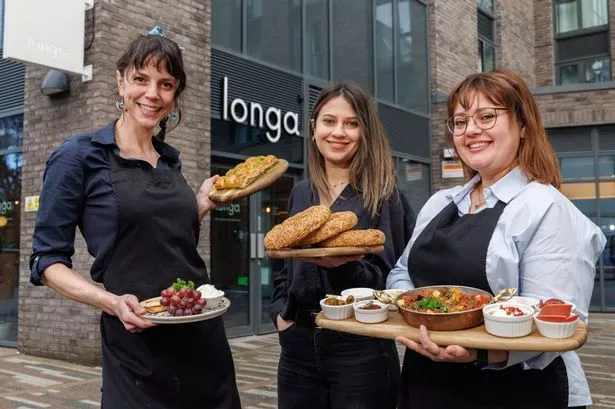
A Turkish restaurant business run by three women has expanded with the opening of a new venue in Cardiff city centre. The investment has created 16 new jobs. Longa, which was founded in 2019 by sisters Gizem Yorgun and Simge Yalcin, now operates with three women at the helm after actress Pinar Ogun joined the business in 2023. Longa, whose first restaurant in the Whitchurch area of the capital opened in 2019, celebrates the rich, diverse flavours of Turkish cuisine. Its new Park Place restaurant for 100 covers offers an all-day breakfast menu, whilst expanding to capture an evening clientele with a separate menu.[ Longa’s new venture has been backed with a £120,000 finance package from BCRS Business Loans, via the British Business Bank’s £130m Investment Fund for Wales, and Community Investment Enterprise Fund (CIEF), managed by responsible finance provider Social Investment Scotland (SIS). Simge said:“Our Whitchurch Road café has been a great success and we knew it was only a matter of time before we dipped our toes into the possibility of opening a second restaurant, but we needed to find for the perfect premises. “When we saw the space on Park Place we knew that it was perfect, but with spiralling costs, due to changes in construction and building quotes, we needed further support to realise our dreams.” BCRS manages the small loans element of the British Business Bank’s £130m Investment Fund for Wales. The debt finance to Longa was overseen by its business development manager, Niki Haggerty-James. Gizem said:“We found ourselves in a situation where we had gone too far in our dream of bringing the restaurant to fruition that we simply couldn’t turn back. Niki was fantastic, quickly understanding our business, and the challenges we faced, and without her support, and the finance, Longa wouldn’t be here.” Pinar added:“BCRS’ support goes so much further than helping us to secure finance, Niki has been overwhelmingly positive in supporting our entire venture. “Longa in Park Place has only been open for a matter of weeks, but we are already seeing the impact. Just this weekend we saw over 300 covers and our bookings for the weekends are huge. We can’t wait for more people to experience our food, after all it’s pretty amazing to sit back and watch their reactions, all the while knowing we created that plate.” Ms Haggerty-James said:“Longa is fantastic and it’s wonderful to support a business that is both women and ethnic-led. Gizem, Simge and Pinar are creating something very special that it abundantly evident from just peeking into one of the restaurants. “The opening of the Park Place site demonstrates their passion to bring Turkish cuisine to Cardiff, so that people can experience the true taste of an authentic menu and we are delighted that in doing so the trio have expanded to employ an increasing workforce. “We want to champion and support more businesses that are female and ethnic-led, advancing the growth of entrepreneurship across Wales. BCRS are a story-based lender, and our mission is to make a positive social and economic impact which Longa are demonstrating. From seeing the success of Longa we are sure this won’t be the last restaurant opening.” Bethan Bannister, senior investment manager, nations and regions funds at the British Business Bank, said:“The British Business Bank is delighted to support this successful female led business via the Investment Fund for Wales as they look to scale and grow.

Morrisons sales jump days after announcing 365 staff face redundancy

Morrisons sales jump days after announcing 365 staff face redundancy

Morrisons has announced a surge in sales to £4 billion in its latest quarter, just days after the supermarket revealed that hundreds of jobs are at risk. The grocery behemoth reported a 2.4% increase in sales for the quarter ending January 26 compared to the same period last year, while also raising its savings targets. The firm disclosed that it achieved £56 million in savings during this period and upped its long-term savings goal from £700 million to £1 billion. CEO Rami Baitieh acknowledged that Morrisons was operating in "a challenging environment" and that the revised savings target would "help us offset cost headwinds, invest for customers and remain competitive in a fast-changing market". Earlier this week, Morrisons declared that 365 jobs were under threat due to plans to shutter some of its cafes, convenience stores, florists and fresh food counters. The supermarket chain explained that the cost of running these services exceeded the revenue generated from customer spending. The planned closures will result in the shutdown of 52 cafes, all 18 market kitchens, 17 Morrisons Daily convenience stores, 13 florists, 35 meat counters, 35 fish counters and four pharmacies. According to Kantar's data, Morrisons is the UK's fifth largest supermarket and employs approximately 95,000 staff nationwide. Mr Baitieh praised the supermarket's swift advancement, attributing it to the dedication and customer-oriented approach of the staff across various sectors, saying: "has made exceptional progress in a very short time and that is entirely down to the hard work, positivity, talent and customer focus of the colleagues in our stores, in our food-making sites and in our operations across the country". This growth in sales has been achieved notwithstanding a significant cyber attack before Christmas, which continued to disrupt product availability well into January.

Historic tea firm Ringtons brews up solid sales despite inflation and rising costs

Historic tea firm Ringtons brews up solid sales despite inflation and rising costs

Historic tea and biscuits favourite Ringtons has hailed a solid trading year with stabilising sales against a backdrop of rising costs and inflation. The Byker family firm, which is now in its 118th year of trading, imports and packages tea for major supermarkets, alongside its own brand of coffees, teas and sweet treats, which are sold online, in stores and through its traditional doorstep delivery service powered by a fleet of more than 250 vans and sales staff. Turnover rose 8.3% to £87.3m in the period ended June 28 2024, while operating profit increased 4.5% to £2.9m. Total Shareholder funders increased 1.8% to £33.7m and staff numbers remained steady at 560. Ringtons directors told BusinessLive they were satisfied with the company’s performance during the period, adding that retained profits continue to be invested in facility improvements. Chairman Nigel Smith, who had been in the business more than 50 years, officially retired at the beginning of the year, leading to his daughter Julia Thompson taking over as non-executive chair. Members of the fifth generation have now been in the business since July 2023, and Ms Thompson and director Colin Smith – one of the fourth-generation family members on the Ringtons board alongside his brother Simon – said they are starting to see the tangible impact of having the fifth generation in the business. New products have been launched, including ginger snap tea and functional teas – such as bedtime, defence and digest – and new biscuits including apple pie cookies, a successful new business which has led to customers signing up for regular doorstep deliveries. New packaging and branding has also been created after enlisting Chilli Agency in Leeds, with new designs on biscuits now including street scenes, the firm’s headquarters on Algernon Road, and the doorstep delivery staff themselves. Ms Thompson said: “What we especially like about the packaging is that we have now got our sales people on there, as they are absolutely the most important asset that we have. We’re trying to show their personality as well as the quality of the product. We also have street scenes which differ throughout the products, and they reflect our customers as well as making subtle references to our North East heritage.” Meanwhile, the company made charitable donations of £203,224 in the period. It also received 16 Great Taste stars, for products including gold tea, breakfast tea, and ginger snaps. “In terms of commodity costs, the big ones we are facing are chocolate – cocoa prices – which is well-publicised, and coffee which is due to supply shortages after a particularly poor series of crops around the world. Coffee prices are unprecedentedly high and will lead to significant rises on the High Street. We will be looking at price modelling around coffee as a result. Tea is more stable and the strength of the pound against the dollar is helping to a degree.” Ringtons has already made some price adjustments within its sweet treats range as a result of cocoa price increases. Ms Thompson added: “It’s a hard one because clearly we want to do what we can for customers, but we also won’t compromise on quality. We don’t put prices up lightly, and it is absolutely the last resort. We do everything we can to absorb and mitigate before we consider price rises.” Looking ahead, Colin Smith said the firm was prepared for incoming headwinds.

Goldie Lookin' Chain rapper launches new record shop venture

Goldie Lookin' Chain rapper launches new record shop venture

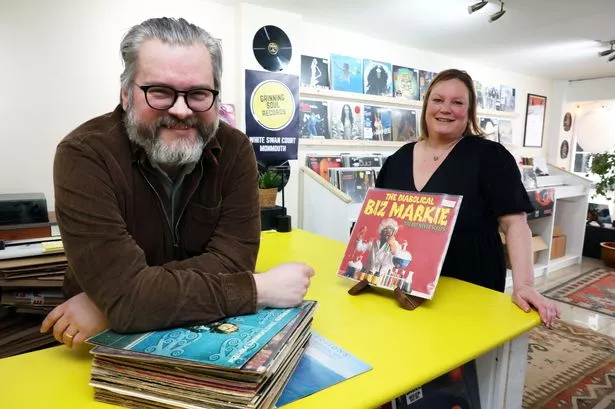
Rapper with the band Goldie Lookin’ Chain Graham Taylor has team up with novelist and presenter Gary Raymond to launch a new record shop business in Monmouth. With a mutual love for vinyl records the pair have opened Grinning Soul Records located at White Swan Court in the town. The new business has been supported with a micro loan from the Development Bank of Wales to part-fund the kit out of their shop and purchase stock. Having been close friends since their school days in Newport, Mr Taylor and BBC presenter and author Mr Raymond had a childhood ambition to open a record shop. Mr Raymond said: “Music fans come from all over the world to visit Monmouth as the home of Rockfield Studios, the legendary Welsh recording studios. Bohemian Rhapsody was recorded here yet there was no record shop in the town. Grinning Soul Records will give local people and visitors like the opportunity to buy traditional vinyl records that were made here in Monmouth. This is our childhood dream come true.” Donna Strohmeyer, investment executive with the Development Bank of Wales, said: “Gary and Graham are both passionate about music and have a great opportunity to capitalise on the booming vinyl industry and the international market created by Rockfield Studios. Indeed, Grinning Soul Records is already proving to be a popular hub for music lovers in the Monmouthshire area and beyond. It’s a great addition to the vibrant market town of Monmouth.”

Gong Cha: Bubble tea brand to open 225 new UK stores in nationwide expansion

Gong Cha: Bubble tea brand to open 225 new UK stores in nationwide expansion

Bubble tea aficionado Gong Cha has unveiled ambitious expansion plans to launch over 225 stores in the UK, a move set to generate nearly 2,000 jobs, following a franchise agreement with Costa Coffee heavyweight Jinziex. Originating from Taiwan in 2006 and now headquartered in London, Gong Cha's partnership with Jinziex is a key part of its global strategy to hit 10,000 outlets by 2032, as reported by City AM. Jinziex, a nascent venture, is steered by a trio of industry experts: Diljit Brar of Goldex, Azha Rehman from Kaspa's Desserts, and Steve Falle, managing director at WY&SF Ltd. With a presence in 28 countries through more than 2,100 locations, Gong Cha currently operates 13 stores within the UK. Despite facing financial challenges as reported by City AM in September 2024, with sales declines in Korea, the US, and Australia, Gong Cha remains optimistic about its UK prospects. The first batch of Jinziex's Gong Cha stores are slated to open their doors in April, with locations including Sidcup, Gravesend, Romford, and Hornchurch. Paul Reynish, the global CEO of Gong Cha, expressed his enthusiasm for the UK market, stating: "Across Europe we continue to see fantastic interest from potential franchisees keen to bring the world's fastest-growing tea brand to their market." He added, "But where it mattered most to us was the UK, which is one of the most exciting markets for us globally." Reynish concluded with confidence in their new partnership: "After a careful selection process, we're delighted to partner with Jinziex – a proven and highly respected food and beverage franchise operator – who match our ambitions to become the clear bubble tea market leader in the UK. "As a market, the UK has huge potential for us. It's a market that is constantly evolving, ripe with innovation, and made up of consumers willing to try new and exciting products." "We firmly believe it is one of the most significant markets in the global F&B industry, and one of the reasons we relocated our global HQ to London in 2019." "Now, with our expanded footprint, we want to play a leading role in shaping the next decade of the UK's food and beverage industry, while cementing Gong Cha as a household name. We can't wait to show the UK how tea is meant to be." Diljit Brar, CEO of Goldex, added: "Gong Cha is a fantastic global brand with a truly unique customer offer that plays into the heart of changing consumer tastes and trends."

Yeo Valley snaps up gourmet yoghurt maker The Collective

Yeo Valley snaps up gourmet yoghurt maker The Collective

Somerset dairy company Yeo Valley has acquired fellow yoghurt producer The Collective for an undisclosed sum. The Blagdon-based business has struck a deal to take over Epicurean Dairy (UK) Ltd in the UK. The Collective was first established in New Zealand by chefs Angus Allan and Ofer Shenhav, and within 10 months was the country's best-selling selling gourmet yoghurt. The business launched in Britain in 2011 after the pair teamed up with the late Mike Hodgson, former managing director of pudding company GU, and its sales director Amelia Harvey. The Collective makes a range of products including its popular 'Suckies' pouches for children and Greek-style pots with a layer of compote for adults. These will join Yeo Valley's portfolio which includes milk, kefir, butter and yogurt and ice-cream. Rob Sexton, chief executive at Yeo Valley Production, said: "We are delighted to welcome The Collective to the Yeo Valley Production family. The Collective brand is renowned for never compromising on the quality and market-leading taste of its products. Add this to the values of the business, encapsulated in its B-Corp accreditation, and we see this as a perfect fit with Yeo Valley Production. "This agreement will ensure The Collective brand continues to deliver taste-led innovation and great value. Together, we have ambitious plans to drive growth of delicious British dairy. It’s an exciting new chapter for us all." Sarah Smart, chief executive at The Collective UK, said Yeo Valley Production was a "long-time partner" of The Collective and had been "integral" to the brand's growth journey. "The close alignment of the businesses values and visions to deliver natural, healthy, great tasting and sustainable food that is better for people and planet, makes Yeo Valley the perfect home for the next stage of The Collective's growth," she added. “I look forward to The Collective building on this success further and continuing to deliver more great tasting innovative dairy to British fridges.” Law firm Thomson Snell & Passmore advised Epicurean Dairy Holdings on the sale.

DFS upgrades profit expectations as credit deals and new products spur demand

DFS upgrades profit expectations as credit deals and new products spur demand

Cost savings, interest free credit options and changes to product ranges have helped furniture retailer DFS to upgrade full year profit expectations. New interim results for the Doncaster-based chain, which has about 115 stores across the UK and Ireland, show reported pre-tax profits leapt from £15.8m in the 26 weeks to the end of December 2024, compared with just £900,000 in the same period of 2023. Underlying pre-tax profit was £17m, up from £8.2m the year before. DFS made the gains despite revenue falling 0.1% during the period to £504.5m, which was due to use of interest free credit offers to entice customers. Gross sales were up 1.4% to £675.6m. Bosses said product innovation and partnerships with brands such as La-Z-boy had pleased customers and range changes across the firm's Sofology brand - acquired in 2017 - had driven higher order volumes. Order intake growth was 10.1% in a market said to be in slight decline. Meanwhile cost saving efforts meant the business is on track to make £50m annualised savings by its 2026 financial year. Tim Stacey, DFS group CEO, said falling interest rates will reduce interest free credit costs, helping the firm on its way towards its gross margin target and pre-pandemic level of 58%. He also said falling interest rates would help demand - which is about 20% below pre-pandemic levels - to recover thanks to more house sales. The performance means DFS has upgraded expectations of profit before tax and brand amortisation to between £25m and £29m, providing there is no further supply chain disruption of the type experienced in the Red Sea. Mr Stacey said: "Our improved profit performance in the first half is testament to the strength of our customer proposition, the dedication of our colleagues and our collective focus on operational excellence, evidenced through increased market shares and customer satisfaction scores.

Fenwick says it has 'no plans for store closures' as it calls in restructuring experts

Fenwick says it has 'no plans for store closures' as it calls in restructuring experts

Department store retailer Fenwick has confirmed that it has no intentions of closing stores, despite restructuring experts assisting the business. The Newcastle-based firm has experienced losses in recent years and is currently changing the hosting of its website as part of cost-cutting measures. Consultancy firm AlixPartners is working with the chain, which now has eight stores across the country. Fenwick has been operating at a loss since 2019 and sold its Bond Street, London store in a £430m deal in 2022. Last year, management acknowledged that trading had been difficult due to the cost-of-living crisis - fuelled by inflation and high mortgage costs - and shifts in the retail market. Accounts for Fenwick Limited, covering the year up to January 2024, reveal the business reduced its pre-tax losses from £71.1m to £38.1m. At the same time, operating losses before exceptional items - encompassing property sales - decreased from £46.6m to £45.2m. Company executives have talked of their attempts to attract both new and existing patrons to the chain's sophisticated, multi-brand offerings throughout the UK. They have discussed strategies aimed at enhancing efficiency in their shops and supply chain, as well as returning to profit through a commitment to what they referred to as "retail basics" and protecting product margins, reports Chronicle Live. Following the closure and sale of its Bond Street location, Fenwick operates its flagship establishment in Newcastle, along with other sites in Kingston, Brent Cross, Colchester, Canterbury, Tunbridge Wells, Bracknell, and York. The business has focused on distinguishing itself from its competitors by investing in customer service and hospitality experiences. In Newcastle, Fenwick’s "masterplan" has led to collaborations with North East staples such as Greggs and Barbour, plus Michelin-starred eatery Hyem, and the Mother Mercy cocktail bar. The business has also expanded its private-label merchandise dubbed Fenwick at Home products, alongside its own restaurant ventures Fuego and Mason and Rye. Last year, in Newcastle, it opened what it claims is the UK’s largest beauty hall outside London last year. Notably, Fenwick was criticised for its delayed response to the surge in online retail, initiating its web presence as late as 2019. Despite predictions for greater growth online, the company maintains that its brick-and-mortar outlets will continue to reign supreme in sales for the foreseeable future. After an unsuccessful attempt to bring former Harrods senior executive Nigel Blow on board last year, the reins of Fenwick have been taken up by family members Mia Fenwick, serving as executive deputy chairman, and Hugo Fenwick, in the role of retail managing director. It is believed that under their stewardship, the company has witnessed its most favourable six-month trading period in the past five years.

Liverpool confirm 'multi-year' Adidas kit deal as Reds target big revenue hike

Liverpool confirm 'multi-year' Adidas kit deal as Reds target big revenue hike

Liverpool have announced that Adidas will become their new kit partner from the beginning of the next season, following the conclusion of their current agreement with Nike at the end of the 2024-25 campaign. Reports from October indicated that the German sportswear brand had secured the tender to collaborate with the Reds, outbidding rivals including the incumbent kit supplier Nike and competitor Puma. The club has now revealed a 'multi-year deal', which is understood by the Liverpool Echo to span five years. It will be the third deal Liverpool has had with Adidas. The Reds anticipate a revenue boost from this new alliance. CEO Billy Hogan said: "Everyone at the club is incredibly excited to welcome Adidas back into the LFC family. "We have enjoyed fantastic success together in the past and created some of the most iconic LFC kits of all time. Adidas and Liverpool share an ambition of success and we couldn't be more excited to partner together again as we look forward to creating more incredible kits to help drive on pitch performance. We'd like to thank Nike for their support over the last five years and wish them well for the future." The partnership is set to commence on August 1, 2025, with Nike's designs being worn until the end of this season. In the past, new kits have often been unveiled before the season's end. However, with Liverpool on the cusp of a Premier League title and still vying for UEFA Champions League success, Nike aims to capitalise on the brand's exposure and partnership until the very end. Liverpool and Adidas have collaborated during some of the club's most triumphant eras and iconic trophy wins, initially from 1985-1996 and again from 2006-2012. During this period, the Reds secured numerous accolades, including three top-flight domestic league titles and three FA Cup victories. Bjørn Gulden, Adidas CEO, stated: "We are extremely excited that adidas and Liverpool Football Club are teaming up once again. The club is one of the biggest and most iconic names in world football with a huge fan base. "The jerseys worn during previous partnerships are some of the greatest ever created. We are honored to once again provide the players with cutting-edge technology to perform at the highest level and are looking forward to creating more classics for the fans." Although the deal's value to the Reds has not been disclosed, it is reportedly in the vicinity of £65million-plus, placing the club in the same guaranteed earnings bracket as Arsenal, Manchester City, and Chelsea. Furthermore, the potential for a percentage of LFC/Adidas merchandise sales could increase the deal's value even more. The club entered into a deal with Nike in 2019 for a fixed £35million per year. While the guaranteed annual sum was significantly lower than their competitors, it was substantially boosted by an additional 20% of sales from LFC/Nike merchandise reverting to the club, pushing the annual income beyond £60million. Liverpool have capitalised on relationships with such luminaries as Fenway Sports Group partner and basketball legend LeBron James, resulting in a special merchandise line, while a range with Nike's sister brand Converse was also launched. Last week, UEFA published its annual European Club Finance and Investment Report, which examines financial trends across the continent's football landscape and sheds light on some of the unseen factors that contribute to fielding a successful team. According to the latest report, Liverpool's kit and merchandising revenue generated €146million (£122.7million), slightly edging out Manchester United who sit in fifth place. For Liverpool, this meant that kit and merchandising revenue accounted for 19% of total revenue for the 2023-24 financial year - an increase of 11% compared to the same period 12 months earlier. Details of the new Adidas Liverpool kits - home and away - will be unveiled via club and Adidas channels and will be available for purchase from August 1, 2025.

Clintons returns to profit with £8m after major store closures and cutting 300 jobs

Clintons returns to profit with £8m after major store closures and cutting 300 jobs

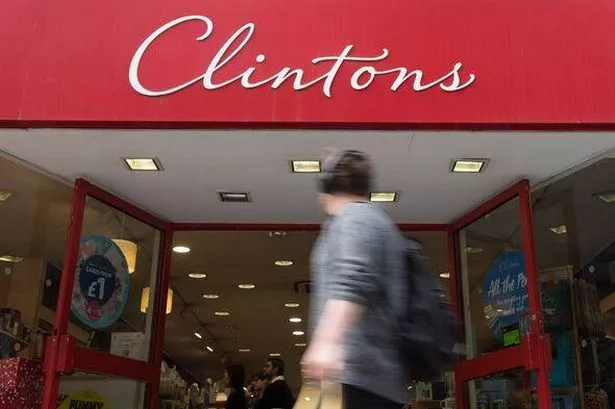
Clintons has made a triumphant return to profitability after further store closures and the reduction of over 300 jobs. The renowned card retailer, which was acquired by Pillarbox Designs in March 2024, recorded a pre-tax profit of £8 million for the year ending 29 June, 2024, as highlighted in the latest accounts submitted to Companies House, as reported by City AM. This result marks a notable turnaround from Clintons' previous pre-tax loss of £5.3 million in the preceding 12 months and its substantial pre-tax loss of £16.9 million reported for the year concluding in November 2020. During the reported year, Clintons decreased its workforce from 1,757 to 1,415 employees as it continued to streamline its portfolio, cutting down the number of stores to around 170. The company's turnover also reduced, going from £96.5 million to £82.6 million. The Clintons board released a statement asserting: "Sales totalled £82.6m for the period and the directors feel this is a satisfactory performance, given the circumstances." Further detailing their strategy, the statement read: "The company has continued to close loss-making stores and the portfolio of retail stores is now down to approximately 170 stores." Tackling ongoing commercial challenges, the board noted: "Sales growth continues to be a challenge and the location of stores remains key to achieving this." Citing challenging high street conditions, they added: "The high street continues to be unpredictable and the company is seeing reduced footfall in the stores year on year." Looking ahead with a strategic focus, the statement concluded: "The company continues to monitor performance of the existing estate and to close the poor performing stores, which whilst impacting on turnover should improve profitability moving forwards." Clintons commented on their financial strategy, stating: "During the year the company entered into a restructuring plan that removed certain liabilities and reduced the level of business rates paid to March 2024." They noted the positive outcome of this move: "This had a significant impact on the profitability levels of the company for the year." The retailer also highlighted ongoing challenges: "Like many other retailers, the company continues to face significant cost pressure on wages given the increases in the national minimum wage."

Thatchers Cider secures future of West Country supply with huge new orchard

Thatchers Cider secures future of West Country supply with huge new orchard

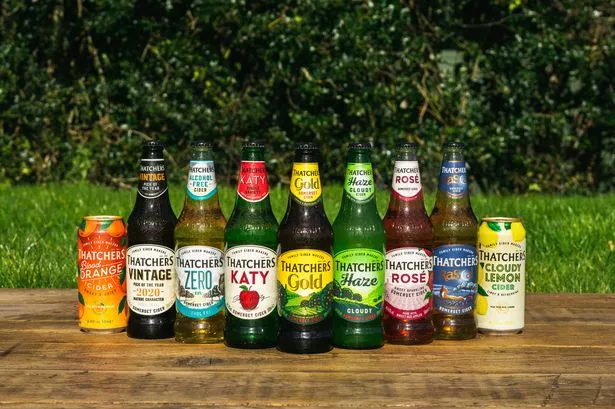
The future of cider supply in the West Country has been secured into the 2030s following a significant effort to establish a new orchard in North Somerset. Thatchers Cider workers have spent around three years preparing around 10 acres of farmland near the company's base in Sandford. After three years of soil restoration, the large-scale planting operation has started, with each sapling carefully hand-planted from the back of a tractor trailer. The operation involves planting 30,000 new trees and is expected to take up to a week to complete. In addition to the trees, the Thatchers team plans to introduce a new hive with thousands of bees to aid in tree pollination. Two varieties of cider apple tree are being planted, as explained by Thatchers spokesperson Emma Russell. "It's a really exciting day for Somerset in general, and for cider drinkers," she said. "Thatchers Cider bought these fields about three years ago, they've spent that time making the soil super healthy and that means this morning we're planting 30,000 new trees in this new orchard," she added. The two varieties in question are Red Windsor and the renowned Katy variety, which is used in most of Thatchers' sweetest ciders and is a cider variety sold by Thatchers in its own right. "In about three years time we'll be able to harvest those and they'll go on to make delicious cider for everyone to enjoy," she said. "It's a great thing for British farming. It's a great thing for British apples. The new orchard, which will be larger than six football pitches, will also be home to bees and thousands of new cider makers, from the worms in the soil, to the birds and wildlife that will make it their home and help with tree health and pollination. "The orchard will sequester away tonnes of CO2 and lock it back into the ground."

Julian Charles rescued from brink of collapse after 'suffering economic headwinds'

Julian Charles rescued from brink of collapse after 'suffering economic headwinds'

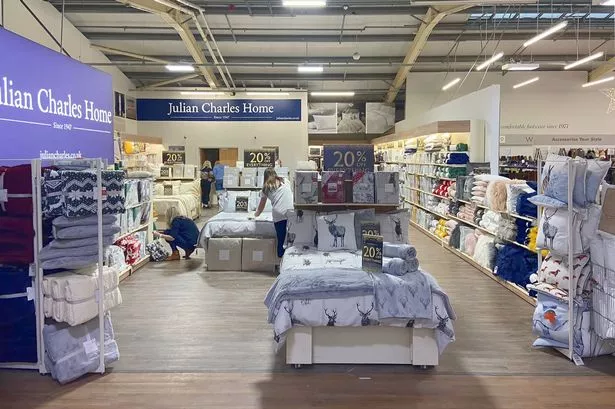
Luxury bedding and homewares company Julian Charles has been saved from administration following challenges with declining sales and rising taxes. Headquartered in Manchester, the firm's business and assets have now been acquired by Great Bedding Co Ltd in a transaction that ensures the continuation of 230 jobs out of its 251-strong workforce, securing over 25 trading sites in addition to various concession locations, as reported by City AM. Marco Piacquadio and Alan Coleman from FTS Recovery were appointed as administrators to facilitate the sale. Official records at Companies House show that the entity behind Julian Charles was in arrears of nearly £3.5 million upon entering administration. Established in Lancashire in 1947, Julian Charles boasts a network of 70 outlets within the UK, which includes 41 stand-alone shops alongside concessions such as those within Boundary Mill and assorted garden centres. Prior to this development, SKG Capital had been the proprietor of the brand since June 2020. City AM reported earlier in January 2024 that Julian Charles had registered a pre-tax loss of £978,580 for the annual period ending on 30 April 2023, which was a noticeable decline from a previously reported profit of £288,225. Despite the setbacks, the business saw a marginal turnover increase from £17.3 million to £17.6 million during the same fiscal year. At the conclusion of that financial year, the brand maintained operations across 73 trading sites, encompassing both stores and concessions. In a statement addressing the rescue, FTS Recovery mentioned: "In recent years the company has suffered a number of economic headwinds which have resulted in cash-flow difficulties and left it unable to meet all its current liabilities. "Besides a significant drop in turnover, the company is acutely aware of the impact of the escalating tax burden, particularly those announced in last October's budget, which directly affects its bottom line due to rising employment costs." Julian Charles faced a 'devastating combination of rising costs and declining consumer confidence.' Marco Piacquadio, director at FTS Recovery, commented: "As is typical when parachuted in, we were focused on seeking to rescue as many elements of the business as possible, always keeping the position of the employees, consumers and other creditors and stakeholders at the forefront of our minds." "This was a relatively complex transaction with significant scale and the ability to move quickly was key." "I am grateful to have achieved a really pleasing result given the circumstances and we wish the new owners and remaining staff and stakeholders the very best going forward." "I would also like to extend my gratitude to the wider professional advisers who assisted with the transaction." "Our legal team was spearheaded by Hayley Phelps of HCR Law, with substantial additional input required from HCR's property team given the number of sites involved." "Thanks also go to John Pye Auctioneers and Valuers, who conducted an extensive marketing process under the provisions of SIP 16, led by Gary Harper and his team."

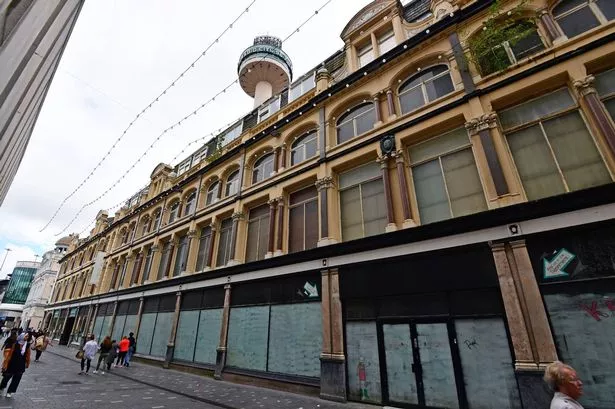
New hope for Liverpool's landmark George Henry Lee building as owner vows to safeguard 'strategic asset'

New hope for Liverpool's landmark George Henry Lee building as owner vows to safeguard 'strategic asset'

Liverpool's landmark George Henry Lee building could be set for a new lease of life as a new owner has taken on the site vowing to safeguard its future. Concerns arose in 2024 that a £25m scheme to rejuvenate the former department store in Liverpool city centre might fall through after the company behind the plans hit financial troubles. In October 2023, Landlab Developments Ltd obtained planning consent from Liverpool City Council to repurpose the Basnett Street site into a 175-room hotel and casino. A design and access statement for the planning application noted that although the site was once a "very grand" department store, the interior of the building was in poor condition. The statement detailed how the site had undergone what it termed "a number of ad-hoc alterations, piecemeal demolitions and extensions here and there." Additional features proposed for the hotel included a games bar, sports bar, karaoke booths, cinema screens and a gym, spread over nine floors. Expectations were high that the firm would deliver the venue, with 200 jobs set to be supported during the construction phase. However, Landlab entered receivership in May, putting the renovation plans at risk, reports the Liverpool Echo. May 2024 saw the insolvency specialists Antony Batty and Company stepping in as the official receiver for Landlab. The receivership ended in December when AssetStone, a London-based lender, stepped in to rescue the firm, assuming control of its assets, including the leasehold of the iconic former George Henry Lee building. AssetStone is now asset managing the building, as it works on plans for its future AssetStone's CEO, Richard Symonds, said: "I can confirm that AIEF AssetStone took control of the property after we became mortgagee in possession in December 2024. We are actively asset managing the building as we recognise its importance to Liverpool city from both a heritage perspective and as a strategic asset key to building a sustainable future for the city centre and we are working closely with the city on this project so as to avoid any further failed proposals in such an important location." George Henry Lee opened his shop in Basnett Street in 1853 and the small store grew into one of the top department stores in the North, with its own landmark home, It was bought by John Lewis in 1940. In the 1960s, it joined forces with its neighbouring store, Bon Marche, extending to Church Street. It was rebranded as John Lewis in 2002, and six years later the store moved to Liverpool ONE. The former Bon Marche premises was taken over by TK Maxx, while the original section of the George Henry Lee building was occupied by Rapid Hardware - which itself closed in 2017. AssetStone is currently formulating plans for the future of the building. The company told the ECHO that a shoe store will be the first new tenant on the ground floor, with an announcement regarding the opening date to follow in due course.

Harvey Nichols to close Beauty Bazaar in Liverpool ONE

Harvey Nichols to close Beauty Bazaar in Liverpool ONE

Liverpool ONE is set to lose one of its most prominent retailers as Harvey Nichols' Beauty Bazaar is scheduled to close its doors. The store, situated on Manesty's Lane in the city centre, has been in operation since 2012. The Liverpool Echo. reports that staff were informed of the impending closure on Tuesday. A Harvey Nichols spokesperson revealed that the company is focusing on "full category stores" as part of its growth strategy. They stated: "As we implement our strategy to reposition Harvey Nichols for growth, our emphasis is on full category stores within our estate. "We have reviewed our store portfolio and mutually agreed with the Landlord of our Beauty Bazaar location in Liverpool to surrender the lease as we focus on investment into full-category stores. "Unfortunately, this means that our employees in the Liverpool store may be at risk of redundancy. We have entered into a consultation process and are doing everything we can to support those affected by the surrender." A spokesperson from Liverpool ONE said: "Beauty Bazaar Harvey Nichols has made an important contribution to Liverpool ONE's success since opening in 2012. We're committed to bringing the best, in-demand brands to Liverpool ONE and we have well-progressed plans to transform the space that will ensure Liverpool ONE continues to go from the strength-to-strength. We look forward to sharing an update soon." The store is expected to close in mid-April. . The store was among the last to resume operations in Liverpool ONE after the nationwide closure of non-essential stores in March 2020. Unlike other retailers, such as Primark, Zara, and Sports Direct, which reopened in June, Harvey Nichols Beauty Bazaar opted for a phased reopening. Its locations in Knightsbridge, Leeds, Edinburgh, and Manchester reopened between June and August 2020, while the Liverpool store, which features a hair salon, spa, and bar, reopened on September 30, 2020. The three-story Harvey Nichols store in Liverpool ONE offered a range of products and treatments. At its launch in 2012, the store celebrated with a day of pampering, attended by local celebrities and American socialite Olivia Palermo, who cut the ribbon to officially open the store. The decision to open in Liverpool was based on research identifying the city as the UK's second-largest beauty market outside of London. Prior to the store's opening in 2012, Daniela Rinaldi, the retailer's then-group concession and beauty director, stated: "Girls in Liverpool have single-handedly held the banner for glamour. They are groomed within an inch of their lives. They live and breath beauty and this is a thank you to them. "Globally this will be the first time international and premium brands will be housed within such a luxurious environment. It has superseded everyone's expectations and the most used word in this store is 'wow' so it is perfectly in keeping with the name of our fabulous champagne and cocktail bar."

B&Q parent firm's CEO sees pay slashed by almost £4m amid profit hit

B&Q parent firm's CEO sees pay slashed by almost £4m amid profit hit

Thierry Garnier, the chief executive of Kingfisher, the group that owns B&Q and Screwfix, saw his pay cut by nearly £4m as the company's sales and profits suffered a significant blow in its latest financial year. Garnier received almost £2.3m for the 12 months ending 31 January, 2025, a decrease from the nearly £6m he earned the previous year, as reported by City AM. His pay package did not include the near-£4m 'delivering value incentive' bonus he was awarded the year before. However, his base salary rose from £875,500 to £911,900, and his annual bonus increased from £364,900 to £804,900. He also received £404,200 through a performance share plan. Last year, City AM reported that the bonuses of the CEO and CFO of B&Q's parent company were also reduced after Kingfisher's profit dropped by almost 40 per cent in its previous 12 months. The annual report follows a decline in sales for the parent company of B&Q and Screwfix for the year ending 31 January, 2025. Kingfisher reported a 1.5 per cent drop in sales to £12.78bn, largely due to a 6.2 per cent decrease in sales in France, while the UK and Poland remained stable. Operating profit at B&Q's parent company also fell 29.7 per cent to £407m, and its pre-tax profit was reduced by 35.4 per cent to £307m.

Trespass owner sees profits slide as it operates in 'challenging' market

Trespass owner sees profits slide as it operates in 'challenging' market

Jacobs & Turner, the company behind the renowned outdoor clothing brand Trespass, has seen its profits take a significant hit as sales stagnated during its latest financial year. The firm reported a pre-tax profit of £1.2m for the year ending 30 June, 2024, a stark decrease from the £9.6m recorded in the previous 12 months, as reported by City AM. According to newly filed accounts with Companies House, the business also experienced a slight downturn in turnover, from £127.4m to £127.3m over the same timeframe. Founded in 1938 and headquartered in Glasgow, the company launched the Trespass brand in 1984. Owned by the affluent Khushi family, dividends paid out amounted to £400,000 for the year, a reduction from £8.4m in the preceding year. In a challenging retail sector environment, the board's statement acknowledged: "The financial year ended 30 June, 2024, was challenging for the retail sector." It continued, highlighting rising operating costs and relatively static sales in a difficult market: "Operating costs continued to rise and sales were relatively flat in a tough marketplace." The strength of the US dollar throughout most of the year was noted as a factor affecting the cost of goods and freight: "USD [US dollar] maintained a strong position for most of the year, impacting the cost of goods and freight." However, the company did report expansion in strategic European locations: "Further growth was achieved in key strategic locations across Europe." The Trespass owner also emphasised their dedication to environmental responsibility: "In addition to our financial performance, the directors remain steadfast in their commitment to enhancing the sustainability of our group's operations and driving the decarbonisation agenda in the UK." This commitment has led to a reduction in carbon emissions across all sources: "This focus has resulted in the decrease in the carbon emissions across all sources. "The group continues to focus on proactive measures to reduce emissions, such as optimising heating and lighting controls, enhancing premises insulation and significant steps towards the adoption of renewable technologies." These results have come to light following City AM's report in October 2024 that the company behind Cotswold Outdoor has accumulated losses exceeding £100m since its last pre-tax profit nearly a decade ago.

Popular Japanese restaurant in Bristol to reopen

Popular Japanese restaurant in Bristol to reopen

A Bristol sushi restaurant is set to open a new branch in the city this weekend. Niji, which previously had a site in the Galleries in Broadmead, has moved to the ground floor of Union Gate, at the corner of Union Street. The restaurant plans to open with a soft launch on Saturday (March 29), while upgrades are still underway at the new site. The eatery will operate for four days a week on limited hours, although later than its previous location at the top of the Galleries. The restaurant will be open from Thursday to Sunday, between 12pm and 9pm, except on Sundays when it will close an hour earlier. Due to the restricted operating hours initially, the owners advise customers to reserve tables in advance. A spokesperson from Niji said: "We are opening this Saturday. It will be a soft opening and limited business hours for now as upgrades are still in progress." On its Instagram page, Niji further urged: "Please make a reservation via our website as far as possible." They also expressed gratitude for the patience and support received over the past few months. The restaurant has unveiled its new menu, which will be available from the soft launch onwards. It offers a variety of sushi and fish options, poke bowls, curry rice, noodles and gyozas. The location has previously housed The Mana House, Atomic Diner, Steam and Bella Pizza. The Japanese eatery had garnered positive reviews, boasting a 4.9 out of five-star rating on Google prior to its closure from the shopping centre due to the impending demolition of the Galleries.

Hays Travel smashes £3bn landmark and rewards staff with bonuses

Hays Travel smashes £3bn landmark and rewards staff with bonuses

Sunderland independent travel agency Hays Travel is celebrating a milestone £3bn in Total Transaction Value (TTV) for the first time in its history, leading to it sharing the success with its staff. The holiday firm achieved the landmark figure, which represents the total gross value of all sales or transactions for travel services or products, a month ahead of the end of its financial year on April 30. This has triggered bonus payments for the workforce. The TTV is the sum of all revenue generated from travel-related bookings, including airline tickets, hotel reservations, car rentals, and other travel-related services. The new figure is £500m higher than the one reported by the Sunderland business in its last accounts. In recognition of their contribution to Hays Travel's success and their loyalty to the company, Dame Irene Hays announced in a video message that each employee will receive £100 for every year they have worked at Hays Travel. This means some long-serving staff members who have been with the firm for decades stand to receive more than £3,000. Earlier this year, Dame Irene dismissed reports of an economic downturn in the UK after witnessing a significant increase in business at the end of 2024 and the beginning of 2025. She noted that people are now willing to spend more on their holidays than in previous years, reports Chronicle Live. Dame Irene Hays, the owner and chair of Hays Travel, has expressed her pride in the company's adherence to its core principles over its 45-year history, attributing its success to the dedication of its staff. "Since Hays Travel began trading 45 years ago, we have always remained true to our vision and values, and our strategic priorities: our people, our customers, and the communities where we operate. As I have said many times, our success is down to our people, which is why achieving this £3bn milestone is an opportunity to demonstrate just how much their excellent work and unwavering loyalty are appreciated." Lenore Mason, who oversees recruitment and people services at Hays Travel, shared her personal journey with the company, highlighting the firm's commitment to its workforce and values. "This is my 37th year with Hays Travel - I feel so fortunate to work alongside brilliant people, for a company that values me and has continued to grow in the region where I grew up. Although Hays Travel has seen many changes over the years it has always been totally committed to its values and people. Today's news is exciting for everyone and just shows how much we are appreciated!" The travel agency, which recently inaugurated a new branch in Dalton Park, County Durham, has experienced substantial growth over the past six years, marked by significant increases in Total Transaction Value (TTV) and turnover, partly due to a series of strategic acquisitions. For the year ending on 30 April 2024, Hays Travel reported a TTV of £2.55 billion, representing a 17% rise from the previous year, with a group pre-tax profit standing at £73.4 million. The company's growth trajectory saw it reach £500 million in TTV in 2012, £1 billion in 2018, and £2 billion in 2024. In a remarkable growth story, Hays Travel experienced unprecedented expansion in October 2019 when it took over the operation of all 555 branches of the defunct Thomas Cook holiday firm. The company continued its acquisition spree by taking over the Explorer Franchise in 2021, followed by Just Go's 45 North West branches, and Travel House's 16 outlets in South Wales in 2023. In addition, it acquired three Holiday With Us branches in Lincolnshire, and 19 Miles Morgan Travel shops across the South West and South Wales in 2024. As a result, Hays Travel is now the UK's largest independent travel agent, boasting nearly 500 branches nationwide and employing around 4,500 staff. The family-run business prides itself on its commitment to nurturing talent, with more than 700 apprentices and graduates being trained this year alone. Each branch is also given £500 annually to invest in local initiatives.

Pawnbroker Ramsdens upgrades profit expectations as high gold prices provide boost

Pawnbroker Ramsdens upgrades profit expectations as high gold prices provide boost

High street pawnbroker and jewellery seller Ramsdens has raised profit expectations on the back of strength in its precious metals purchasing business. The North East-based plc, which has a network of 169 stores across the country, says pre-tax profits for 2025 are now expected to be at least £13m, up from £11.4m last year. Analysts had expected pre-tax profits of about £12m but new strength in gold prices has helped the firm increase gross profits on its precious metals purchasing activity by 50% in the first half of the year. That comes after the Middlesbrough group launched a dedicated gold buying website last month, which it says will boost awareness of the service and attract new customers. Pawnbroking profits were also up 10% on the same period of 2024, with investments in the brand's website said to be attracting new customers. Meanwhile gross profit on jewellery retailing increased 15% - ahead of expectations - with bosses saying some old stock had been scrapped. Foreign currency exchange was in line with the previous year though a later Easter holiday period had deferred customer spending. During the first half, Ramsdens opened new stores in Grantham and Burton, with both said to be trading well. The firm closed a kiosk it had at Teesside Airport and merged two of its central Glasgow stores. Peter Kenyon, CEO of Ramsdens, said: “We are pleased to have delivered a strong performance during the first half of the year, underpinned by our diversified model as well as benefitting from investments made across our four operating segments, including the launch of new dedicated customer websites and services. This positive trading momentum, together with the continued benefit to the Group presented by the sustained high gold price, has led the Board to increase profit expectations for FY25. "We look forward to building on this positive performance throughout the second half of the financial year.”

Hellofresh issues stark sales warning after opening UK site shut and 900 jobs at risk

Hellofresh issues stark sales warning after opening UK site shut and 900 jobs at risk

Hellofresh, the recipe box delivery firm based in Germany, has issued a warning that its sales are likely to drop this year. However, it anticipates an increase in profit as it prolongs its cost-cutting initiative, as reported by City AM. The company announced in the latter half of 2024 that its cost-saving programme would be extended until 2026. Hellofresh predicts a decrease in revenue, on a constant currency basis, of between three and eight per cent in 2025. Despite this, the firm aims to boost its adjusted earnings before interest and taxes (EBIT), excluding impairment, to between €200m (£168.6m) and €250m, a rise from €136m in 2024. It also expects its adjusted EBITDA (earnings before interest, taxes, depreciation and amortisation) to increase to between €450m and €500m in 2025. In a statement, the group said it concluded 2024 "with a strong financial profile that is reflective of the company's focus on pursuing higher profitability and cash flow generation over volume growth". For the past year, Hellofresh reported an adjusted EBITDA of €399.4m, a decrease from the €447.6m it achieved in 2023. Group revenue totalled approximately €7.66bn in 2024, representing a 0.9 per cent year-on-year growth on constant current terms. Dominik Richter, co-founder and CEO of Hellofresh, stated: "In H2 2024 we entered an efficiency reset period." "After five years of solid progress, highlighted by a 34 per cent revenue CAGR and an almost 9x increase in AEBITDA, we are now pursuing the next stage of our strategy." "This stage is initially marked by having to rightsize our cost base across all major categories and improve our unit economics." The company further underscored its commitment to fiscal management: "Driving strong AEBIT and free cash flow performance will enable us to make strategic investments in our product quality, variety and deliciousness in 2025 and beyond." Additionally, enhancing customer relations is a priority: "We are confident that levelling up the customer experience and product will contribute to higher retention of existing customers, and to unlocking new customer segments for the group." Hellofresh is set to announce its full set of results for 2024 on Thursday, 13 March. As reported by City AM towards the end of October 2024, there were plans to shut down one of Hellofresh’s significant UK sites, jeopardising 900 jobs. The Nuneaton distribution facility is expected to continue operations until mid-2025. This 237,000 sqft establishment, inaugurated in 2020, was Hellofresh's second location. Previously, in a month before, City AM disclosed that Hellofresh UK notably reduced its pre-tax loss as it approached the £500m turnover milestone and decreased its workforce by 15 per cent. For 2023, the company posted a pre-tax loss of £755,000 in its Companies House accounts, improving from a loss of £22.1m in 2022. During the same timeframe, the company's turnover rose from £468.4m to £489.9m. The results also revealed a decrease in Hellofresh UK's average workforce from 2,159 to 1,842 within the year.

Asos shares surge by more than 20 per cent after positive trading update

Asos shares surge by more than 20 per cent after positive trading update

Asos shares experienced a surge of over 20% this morning, following the release of an encouraging market update that exceeded expectations. The online retail giant informed investors of its anticipation for a "significant improvement in profitability" within the year, also noting a resurgence in full-price sales of its own brand, as reported by City AM. The announcement was met with a warm reception from investors, as evidenced by a more than 20% increase in Asos' share price within the first half-hour of trading. Russ Mould, Investment Director at AJ Bell, commented on the positive shift: "After a dreadful start to 2025 for the share price, Asos was primed for a relief rally if it could offer any sort of positive news." Mould further added, "Today's numbers represent an important first step on a long road to recovery, but the market will want to see some evidence eventually that metrics like active customers and orders are picking up when the company reports its first-half numbers in April to have real confidence in an Asos turnaround." Since the onset of the pandemic, Asos' share price has been on a consistent decline, shedding a staggering 94% of its value between July 2021 and March 2025. The company has grappled with a general downturn in e-commerce post-pandemic, a trend that has similarly impacted competitors such as boohoo and Pretty Little Thing. In the previous year, Asos reported a 16% drop in active customers, accompanied by a 4% decrease in purchase frequency and a 20% reduction in orders. "Improving profitability has been a key focus for the group, with successful efforts made to reduce inventory levels and allow Asos to operate from a more agile business model," stated Katie Cousins, an analyst at Shore Capital. Analysts at Peel Hunt commented that Asos appears to be "on track." "Nonetheless, with the shares down 30 per cent in the last month, there's some catching up to do this morning."

Rochdale-based Footasylum sees profits soar as sales hit £349m

Rochdale-based Footasylum sees profits soar as sales hit £349m

Footasylum has confirmed a near 200 per cent surge in profit as its sales climbed to almost £350m during its most recent financial year. The Rochdale-based retailer, backed by German asset management firm Aurelius Group, reported a pre-tax profit of £17.2m for the year ending 25 January, 2025, as reported by City AM. This is a significant increase from the pre-tax profit of £6m posted in the previous 12 months. Over the same period, the company's total revenue also rose from £319.5m to £349.5m. Store sales saw a three per cent increase to £172m due to new store openings, while online sales grew by six per cent to £143.6m. Footasylum has been owned by Aurelius Group since it was purchased from JD Sports in 2022. David Pujolar, CEO of Footasylum, commented: "We are pleased to report another year of record revenue and profit performance, demonstrating our resilience in a challenging market environment." "Our strategic initiatives and new organisational structure have proven effective and position us strongly for sustained growth." Pujolar also highlighted the success of their new store format, based on their Oxford Street blueprint, which he said has improved the Footasylum shopping experience and received positive feedback from consumers. He added: "Our focus on customer service remains a cornerstone of our approach, strengthening brand loyalty and generating valuable feedback that informs our business decisions." "Additionally, our successful expansion into the wholesale channel demonstrates our ability to identify, and respond to, consumer preferences and emerging trends." "This year has been transformative as we evolve from a traditional retailer into a multifaceted group with diverse channels and creativity." "We are excited to have formed strategic partnerships with global brands such as Nike, Adidas and New Balance." "These collaborations elevate our offering and reflect our commitment to delivering the best on-trend products to our consumers." "Our leading social media and digital presence has enabled us to connect with our consumers in unique and engaging ways, fostering loyalty and community around our brand."

Electrical giant Currys upgrades profit outlook as sales outperform

Electrical giant Currys upgrades profit outlook as sales outperform

Currys has reported a surge in sales, prompting the electronics retailer to raise its full-year profit forecast. The firm informed investors today that it now anticipates an adjusted pre-tax profit of about £160m, up from the previously projected range of £145m to £155m, as reported by City AM. Currys described 2025's sales performance as "robust," with sustained positive like-for-like sales growth in both the UK and Ireland, and the Nordics. With a presence across six countries through 715 stores, Currys experienced a rebound in sales growth in 2024, benefiting from an extensive multi-year turnaround strategy. For the year ending April 2024, Currys posted a pre-tax profit of £28m, a significant recovery from a pre-tax loss of £462m in the prior year. A pre-tax profit of £160m for the year to April 2025 would represent an almost sixfold increase on the previous year's figures. Panmure Liberum has named Currys as its top stock pick for 2025, citing its standout performance in a consumer market hampered by low growth. Analyst Wayne Brown highlighted the "potential for lower pension contributions, cash exceptionals and interest costs," along with improved margins in the Nordic regions, which had previously been underperforming, as factors that could draw new investment. During the pandemic, Curry's Nordic operations faced severe challenges, including aggressive discounting by competitors, leading to a nosedive in profits and the suspension of its dividend. However, since 2023, the Nordic division has been showing signs of a robust recovery. Following the release of these new figures, analysts at Panmure have revised their target price for Currys shares upwards from 170p to 180p. As of market close on April 2, the stock was valued at 88.95p. Panmure analysts commented: "Not only is positive earnings momentum a key theme, but there are so many FCF catalysts over the next few years, we are surprised the shares are not higher."

Welsh footfall growth the strongest in the UK despite cooling on January

Welsh footfall growth the strongest in the UK despite cooling on January

Retail footfall in Wales increased in February but at a slower rate than January, shows latest research from the Welsh Retail Consortium. Footfall, defined as shoppers entering a store, in February was up 2.% year-on-year (YoY) compared to a 8.5% rise in January. The rise in February was the highest of any nation or region of the UK, followed by the north west of England at 1.9% and London and the west Midlands at 1.8%. For England it rose by just 0.2%, while in Northern Ireland it was down 0.1% and Scotland 0.3%. The biggest fall was in Yorkshire and the Humber, down 3.5%. Shopping centre footfall in Wales YoY decreased by 1.5% in February, down from 8.6% in January. Retail park footfall increased by 2.9% in February YoY, down from 9.8% in January. Footfall in Cardiff decreased by 1.8% (YoY), down from 9.1% in January. Of the core cities of the UK the fall in February in Cardiff was only greater in Liverpool, down 2.5%, Bristol, 5.2%, and Leeds 5.6%. The biggest rise was in Birmingham at 5%. FOOTFALL BY NATION AND REGION GROWTH RANK NATION AND REGION Feb-25 Jan-25 1 Wales 2.7% 8.5% 2 North West England 1.9% 7.7% 3 London 1.8% 6.7% 3 West Midlands 1.8% 10.0% 5 South East England 0.4% 9.4% 6 England 0.2% 7.4% 7 Northern Ireland -0.1% 3.5% 8 Scotland -0.3% 1.0% 9 East of England -0.8% 8.5% 10 North East England -1.0% 6.8% 11 East Midlands -1.3% 6.4% 12 South West England -1.4% 7.9% 13 Yorkshire and the Humber -3.5% 3.3% TOTAL FOOTFALL BY CITY GROWTH RANK CITY Feb-25 Jan-25 1 Birmingham 5.0% 14.3% 2 Manchester 3.9% 10.3% 3 Edinburgh 1.9% 2.8% 4 London 1.8% 6.7% 4 Belfast 0.1% 4.8% 6 Nottingham -0.3% 6.7% 7 Glasgow -1.1% 1.9% 8 Cardiff -1.8% 9.1% 9 Liverpool -2.5% 3.2% 10 Bristol -5.2% 6.2% 11 Leeds -5.6% 1.0% Sara Jones, head of the Welsh Retail Consortium, said:“Shopper footfall across all Welsh retail destinations faltered in February, dipping over 5% compared to the previous month. That said, February still saw healthy year on year growth, the best of the four home nations. “Shopper numbers picked up substantially in the last week of February, no doubt helped by the late half term and start of spring weather, coinciding with the benefits of a St. David’s day uptick. “Confident consumers and buoyant household disposable incomes are critical to the health of the retail industry and all who rely on it, including our colleagues and our wider communities. As we approach the two-year anniversary of the Welsh Government’s retail action plan it will be time to take stock on what more can be achieved to cement the future of the retail industry in Wales. With an onslaught of additional government-mandated costs in the pipeline from April, bold decisions will be needed to help safeguard the sector and to help it flourish rather than falter in the years to come.” On the UK picture Andy Sumpter, retail consultant for Sensormatic Solutions, which carried out the research, said: “After January’s jump-start, retail footfall in February stalled, with retailers seeing a more modest improvement compared to 2024 last month. "While the good news is that shopper counts remained steady, many would have been hoping for a more substantial leap building off a strong start to the year. Retail Parks, consistently one of the top performers in 2024, once again outstripped other retail destinations in February, as the convenience and choice built into their retail offerings again proved popular with customers. " With Easter falling late and well into April this year, this will, undoubtedly, put added pressure on retailers as we head into March. To plug the gap, retailers have an opportunity to create compelling reasons to visit and enhance their offerings with greater convenience and choice, which have been the standout strengths of retail park performance.”

Luxury brands Burberry and Watches of Switzerland see shares plummet after Trump tariffs

Luxury brands Burberry and Watches of Switzerland see shares plummet after Trump tariffs

Today witnessed a downturn in the share prices of luxury retailers Watches of Switzerland and Burberry following President Trump's announcement of new tariffs. Shares of Watches of Switzerland plunged by over 15 percent, while those of Burberry decreased by almost seven percent, as reported by City AM. Kathleen Brooks, research director at XTB, commented on the situation, saying, "Investors are still seeking out areas of safety, including utilities, real estate, healthcare and consumer staples." About one quarter of UK luxury exports head to North America, with most of that trade taking place with the US, as highlighted by Walpole, an industry association. Analysts from RBC predict a significant "elevated tariff impact" for Burberry due to its diverse sourcing mix — the varied combination of countries and suppliers that produce its merchandise. Burberry collaborates with an international network of suppliers, operating an outerwear factory in Italy and a scarf production facility in Scotland, with goods made in Italy being subject to a 20 percent US import duty. America represents approximately 20 percent of Burberry's sales, and was the only region showing sales growth in the brand’s most recent quarterly report—a crucial element for Burberry's rejuvenation strategy. On the other hand, Watches of Switzerland experienced a sharp fall in its share value partly because Swiss imports into the United States will face an additional tariff of 31 percent. Switzerland was highlighted by Trump as one of the major offenders in unfair trade practices with America. Last year, the US recorded a CHF 38.5bn (£33.9bn) trade deficit with the European country. RBC analysts also noted that the watch company has slimmer margins compared to its rivals, making it harder to react to tariffs. "[In response] companies can either raise prices, change country of origin (to the extent possible), renegotiate supplier terms... or absorb tariff costs."

Mike Ashley-backed Hornby to go private as it ditches stock market listing

Mike Ashley-backed Hornby to go private as it ditches stock market listing

Hornby, the global models and collectibles group advised by Mike Ashley, has revealed plans to delist from the London stock market and go private. The move aims to circumvent regulatory obstacles and reduce costs, as reported by City AM. In a statement to the market on Thursday, the company announced its intention to cancel its shares on the AIM stock exchange, citing the high cost of maintaining a public listing, limited liquidity, and regulatory burdens. Over the past 12 months, Hornby's shares have plummeted by 50%. This decision follows significant restructuring at the company, which has been collaborating with Frasers' founder and stakeholder Mike Ashley on a turnaround strategy for the past 18 months. Key aspects of this turnaround have included the sale of subsidiary LCD Enterprises, job cuts, and the relocation of logistics operations to the Midlands. In a statement, Hornby acknowledged the significance of its announcement, particularly for its loyal shareholder base. "The board is well aware of the place Hornby has in the hearts of its loyal shareholder base, and the company's announcement today is not taken lightly," Hornby said. "The directors are confident that operating as a private entity will provide Hornby with the necessary agility for swift decision-making and efficient execution of strategy whilst not depriving shareholders of material benefit." To proceed, Hornby's board requires shareholder approval, which will be determined by a 75% majority vote at a general meeting scheduled for Thursday morning. If the resolution is passed, Hornby has agreed to two share facilities to support investors looking to trade out of their shareholding following any cancellation. This announcement on Thursday marks another setback for London's struggling AIM market, which has witnessed a rise in delistings in recent years. In 2024, AIM contracted to its smallest size in 23 years with 92 firms delisting. Phoenix Asset Management Partners, Hornby's largest shareholder, increased its stake in the firm from 71.6 per cent to 83.3 per cent in December. Russ Mould, investment director at AJ Bell, stated that its decision to delist was "not a damning criticism of the UK stock market." He added: "When two shareholders – Phoenix Asset Management and Frasers – own 91 per cent of the company, it doesn't make sense to be a listed entity." He further explained: "Companies admit their shares for public trading to obtain a diverse shareholder base and access capital markets. In Hornby's case, its shareholder base has become incredibly concentrated."

Virgin Wines reports profit boost and eyes up £100m revenue by 2029

Virgin Wines reports profit boost and eyes up £100m revenue by 2029

Virgin Wines has announced a rise in profit and new customer acquisitions, alongside a five-year growth strategy aimed at tripling its revenue to £100m by 2029. The firm also plans to initiate a share buyback programme to acquire up to 15% of its share capital, although it will not be introducing a dividend, as reported by City AM. The AIM-listed company reported this morning that its pre-tax profit increased by 20% to £1.3m in the six months ending December 27, with new customer acquisition growing by 29%. Earnings before interest, tax, depreciation and amortisation (EBITDA) at Virgin Wines remained steady at £1.6m. However, revenue saw a slight decrease from £34.3m in the first half of last year to £34.1m this year. Analysts at Panmure Liberum commented on the interim results: "Interims... contain no surprise and have delivered stable revenues, but the growth in new customers is the new news." They added: "If Virgin can grow the base the flywheel of profitability should kick in as the assets and infrastructure of the group get leveraged – this is certainly true of B2B sales and all eyes will be on the quality of the incremental customers the group start to acquire now." Cavendish analyst Nigel Parson stated: "The business is already picking up momentum after a period of consolidation helped by deep understanding of its target customer." "Surplus cash will be returned to shareholders through a share buyback programme... Investors with an eye for recovery stories should buy this 'en primeur' investment opportunity now, as we believe its share price could double or triple over this period." Virgin Wines has outlined its strategic growth blueprint concentrating on four core segments: customer acquisition, commercial partnerships, the Warehouse Wines scheme, and crafting a bespoke mobile application. The spirit of Warehouse Wines lies in its cost-effective approach that curates wines directly from the vineyards. Forecasting a bullish climb in revenue, they anticipate a leap to £100m within a five-year term. CEO Jay Wright commented on the development, saying: "This is an ambitious and transformational change in our business strategy and investment case, which we are excited to implement over the coming years."

Deliveroo swings to first full year profit as orders jump in UK and Ireland

Deliveroo swings to first full year profit as orders jump in UK and Ireland

A surge in takeaway and grocery orders across the UK and Ireland helped Deliveroo turn a profit last year. The food delivery firm informed markets this morning that its gross merchandise value (GTV) rose by five per cent to £7.4bn for the year ending December 31, up from £7bn the previous year, as reported by City AM. The company reported an annual profit of £2.9m, a significant improvement from a loss of £31.8m the year before. Revenue increased two per cent year on year, from £2.03bn to £2.07bn, while gross profit climbed six per cent to £767m. Deliveroo also saw a two per cent growth in its customer base during the year, with average order frequency increasing across all groups and improved retention throughout the year. "The robust results we've announced today, with our first full year profit and positive free cash flow as well as GTV growth across our verticals, demonstrate that our strategy is working," said Will Shu, Founder and CEO of Deliveroo. "Whilst the consumer environment remains uncertain, I am confident that we can continue to deliver growth by focusing on the levers in our control: supporting our restaurant partners to meet untapped consumer demand around new occasions, expanding our grocery and retail offering, and continuously improving our CVP [consumer value proposition]." The company aims for high-single GTV growth in 2025 and expects adjusted earnings before interest, tax, depreciation and amortisation (EBITDA) to be in the range of £170m-190m. In the medium term, it will target mid-teens percentage growth per year in GTV, and an EBITDA margin of four per cent. Deliveroo also announced its exit from the Hong Kong market on March 10, which led a London broker to label the brand "underappreciated". "Both earnings before interest, tax, depreciation and amortisation (EBITDA) and group GTV growth [revenue] are set to benefit from this market exit," Panmure Liberum analysts said.

High Street shops, pubs and restaurants face £1bn tax bill from April

High Street shops, pubs and restaurants face £1bn tax bill from April

Shops, restaurants and pubs across England are facing an extra £1 billion in taxes when a discount is cut next month, adding to a “tsunami” of rising costs hurtling toward the sector, according to new analysis. Businesses in London will be hit hardest by changes, tax and software firm Ryan found. Firms in the retail, leisure and hospitality sector are facing increased costs in April when a discount on business rates will be reduced from 75% to 40%. The changes were announced in last year’s autumn Budget, with the Government committing to keeping the discount scheme for the next financial year but cutting the level of relief. Each business will still have a maximum discount of £110,000. Ryan’s analysis found that the reduced discount will raise an extra £1.03 billion from firms across England over the 2025-2026 tax year. Nearly a third of the extra revenue will come from businesses in London, who collectively are facing an additional £309.7 million in business rates. This is followed by an extra £157.9 million from businesses in the South East who are facing a bigger bill, and £110.5 million from firms in the North West. Alex Probyn, a property tax expert at Ryan, told the PA news agency that it “comes on top of a tsunami of other rising costs, making it a complex and challenging environment” for businesses to operate in. From April, national insurance contributions will also rise for some businesses, while they will also have to pay employees a higher national living wage. The Government has said extra revenues raised from higher taxes on businesses will help fill a gap in the UK’s public finances and be plugged into things like infrastructure and the public sector. It pledged in the Budget to introduce permanently lower business rates for smaller retail, hospitality and leisure firms from 2026. The Government has also said that some 865,000 employers will not pay any national insurance in the year ahead because of the employment allowance rising from £5,000 to £10,500. But Mr Probyn said the changes will “disproportionately affect small and independent businesses across sectors already struggling”.

Pets at Home says profit fell in line with expectations and warns of struggles ahead

Pets at Home says profit fell in line with expectations and warns of struggles ahead

Pets at Home has reported that its profit has fallen in line with expectations, according to its latest performance update. However, the company has also warned of potential challenges ahead, as reported by City AM. The group anticipates a pre-tax profit of £133m for the year, which aligns with previous forecasts. Despite a "challenging and volatile UK consumer backdrop", the company stated that trends in the final quarter of the year developed as expected across both its Retail and Vets divisions. The firm highlighted record numbers of Pets Club members and continued growth in its Vets business. It expects to conclude the full 2025 financial year in a net cash position, having returned approximately £85m to investors throughout the year. Over the past year, Pets at Home has completed its new digital platform and network optimisation. With the introduction of this new platform, the company now has two "major strategic programmes" aimed at facilitating business growth in the coming year. Looking ahead, the group expects current market conditions and consumer backdrop to persist into the new financial year. However, it predicts further profit growth following the "exceptional levels" achieved in the past two financial years. In its Retail division, the group expects to outperform the market as its investments in digital start to pay off. Nevertheless, the company anticipates an £18m hit due to increased employers' national insurance contributions. The firm has forecasted a dip in profit for the 2026 financial year to an estimated £115m to £125m, due to rising expenses. Shore Capital analyst David Hughes remarked: "The continued decline in the Retail arm is likely a cause for concern for investors, however the ongoing growth in the higher margin Vet business is encouraging and if the business does gain market share, it does have the potential to emerge stronger as and when the consumer does recover."

Co-op profit rockets ahead of supermarket 'trolley wars' as it reveals membership surge

Co-op profit rockets ahead of supermarket 'trolley wars' as it reveals membership surge

The Co-op has announced a significant surge in profit for 2024, just as the grocery sector braces for potential 'trolley wars.' The Manchester headquartered group's revenue remained largely steady year on year, with a slight increase of 0.2 per cent to £11.3bn, while its underlying profit saw a substantial rise of 35 per cent to £131m, as reported by City AM. Operating profit more than doubled from £66m to £151m, and profit before tax experienced an almost six-fold increase from £28m to £161m. The Co-op attributed this profit boost to increased operating profits and improved returns on Funeralcare plan investments. The Co-op operates across various sectors including food retail through convenience stores, wholesale via Nisa, funeral care, legal services, and insurance. The number of active Co-op members, who collectively own the business, grew by 22 per cent to 6.2m, up from 5.1m in 2023, and is "on track" to reach 8m by 2030. Co-op chair Debbie White said: "These results show that our strategy on delivering for our member owners whilst also delivering long term financial and operational progress is working." She added: "I'm particularly delighted we have increased our active membership by 22 per cent. "We continue to focus on long term profitable growth, creating more value for all our member owners and the communities they live in," White further stated. Last month, the Co-op invested over £70m to match Aldi's prices on 100 everyday essentials for its members. Co-op, the UK's seventh-largest supermarket as per Kantar data, has not seen an increase in market share in recent years. It took 5.3 percent of the market in the 12 weeks to March 24, 2025, down 0.1 per cent year on year, according to Kantar. But it has been growing in the convenience space - its share of the quick-food market has grown 0.6 per cent year on year, according to Circana. The retailer's strategy to slash prices is aimed at drawing cost-conscious customers amid a challenging economic climate where brand loyalty is low. Yet, with major supermarkets, including a rejuvenated Asda management, prepped to cut prices, industry analysts are cautioning that intense competition, or 'trolley wars,' may soon intensify within the grocery market. Co-op CEO Shirine Khoury-Haq expressed optimism despite the tough times: "While broader economic challenges remain, our businesses are delivering strongly against the market and I'm proud that we continue to provide support to our colleagues, members, and their communities through the continued cost of living challenges they face."

AO World profits rise twice as fast as sales after 'obsession' with customer service

AO World profits rise twice as fast as sales after 'obsession' with customer service

AO World has seen its profits soar to more than double the pace of its sales, overshadowing its revenue growth. The online electrical retailer informed markets that it anticipates a retail revenue uptick of around 12% for the year concluding March 31, as reported by City AM. The company forecasts a like-for-like revenue climb of roughly seven per cent year on year to £1.1bn, indicative of "reductions in B2B and mobile as we focus on profitable growth," AO elaborated. "AO is back to being a highly efficient growth machine; we are reaping the rewards from the execution of our strategy and 25 years of unwavering obsession with amazing customer service," CEO John Roberts enthused. "We're carrying good momentum into the new financial year and are pleased to be guiding to another year of double-digit revenue growth in our B2C Retail business, and for profits to keep growing faster than sales." Back in November, during its semi-annual financial disclosure, AO announced a robust profit margin of 24.4%, attributing this success to cost-efficiencies gained through trimmed administration and warehousing expenses. "Our strong performance shows that our model is working," remarked Roberts. "We're cementing our position as the most trusted electrical retailer and are increasing our frequency and share of wallet with customers." Last November's acquisition of Musicmagpie by AO, at a mere £10m, is notably modest compared to its market value at the time of its IPO in 2021. The company anticipates that the post-acquisition performance of Musicmagpie will add approximately £30m in revenue with a "negligible loss" impacting the full-year financial outcomes. In conjunction with its trading update, AO has confirmed the promotion of Mark Higgins to the position of Chief Operating Officer, which will complement his current responsibilities as Chief Financial Officer. This change is said to be a reflection of "the way Mark and John have been running the business together for some time", according to the firm.

Asos shares plunge as investors 'lose confidence' in retailer's turnaround plan

Asos shares plunge as investors 'lose confidence' in retailer's turnaround plan

Asos shares have plummeted over 8% in early trading, exacerbating losses accumulated over several months as investors' faith in the retailer's recovery strategy has dwindled. The e-commerce company's share price has fallen by a third in the past month and has halved since the start of the year, with a 15% decline in the last five days alone, as reported by City AM. Currently, Asos shares are trading at 233p per share, a significant drop from the mid-pandemic high of 5,772p per share in April 2021. Analysts attribute this decline to a post-pandemic downturn in the e-commerce sector, which has also impacted fellow retailers boohoo and Pretty Little Thing. "The COVID boom sparked overinvestments across staff, stock and infrastructure that are still being unwound," noted Jeffries analysts Andrew Wade and Grace Gilberg. "That unwind has been in part funded by reclaiming value from customers [via] range, delivery and proposition). The external data... suggests that these changes, coupled with competition, continue to impact demand," they added. Asos reported an operating loss of £331.9m for the year ending September 1, 2024, up £83.4m from a loss of £248.5m in 2023. AJ Bell analyst Dan Coatsworth observed that Asos, like JD Sports, has been affected by a broader slowdown in consumer demand, further contributing to its struggles. "Consumers bored at home during the pandemic merrily spent money but they have since taken their foot off the pedal as it looked like interest rates would stay higher for longer," Coatsworth observed. Earlier this year, analysts from Panmure Liberum suggested that Asos "will struggle to turn around its declining sales trend this year... in the current demand environment." At the beginning of the year, Panmure warned investors about Asos, labelling it their least-preferred stock for 2025. "Multiple inventory write-offs, a refinancing, an equity raise, and sale of a key asset later, Asos is seeing few signs of sales declines relenting and still finds itself on an unsure path," stated Panmure analyst Anubhav Malhotra. He also noted that "Its competitive position worldwide has been eroded due to improved multi-brand online propositions from the likes of NEXT, M&S [and] JD Sports, competition from China, and pulling back on the consumer offering in international markets." "It appears the identity of the Asos brand isn't as pronounced and distinct as was previously perceived."

Wetherspoons' dividend hike despite profits fall as pub giant warns on costs

Wetherspoons' dividend hike despite profits fall as pub giant warns on costs

Despite a boost in sales, pub behemoth J D Wetherspoon has reported a drop in profits in its half-year results. Chairman Tim Martin has issued a warning about the potential impact of escalating labour costs and tax disparities on the pub industry, as reported by City AM. Like-for-like sales saw an increase of 4.8 per cent for the 26 weeks leading up to 26 January 2025, with total revenue rising by 3.9 per cent to £1.03bn. However, profit before tax, excluding exceptional items, fell to £32.9m, a decrease from £36.0m the previous year. Operating profit also experienced a decline, coming in at £64.8m compared to £67.7m in 2024. Earnings per share before separately disclosed items increased to 21.5p, from 20.3p the year prior. The pub group reinstated its interim dividend, paying out 4.0p per share. Over the course of the year, the company acquired 1.8m shares at a cost of £11.5m, including "stamp duty and fees, representing an average cost per share of 621p." On a statutory basis, pre-tax profit jumped 58.2 per cent to £41.3m, driven by a one-off gain on interest rate swaps. Six pubs were sold during the period, generating £3.9m in cash, while two new locations opened. The group also recognised a £2.2m loss on the disposal of the pubs. Chairman Tim Martin commented on the results, stating that rising costs pose a threat to the sector's stability. "Increases in national insurance and labour rates will result in company cost increases of approximately £60m per annum," he said. He added that this equates to roughly £1,500 per pub, per week. Martin highlighted that labour accounts for approximately 35% of pub sales, in stark contrast to the mere 11% for supermarkets, which intensifies the disparity in costs. He expressed concern that the combination of rising staff expenses and elevated VAT rates for pubs, as opposed to supermarkets, "will weigh heavily on the pub industry." Despite these challenges, Martin remained optimistic about the company's prospects, stating they anticipate a "reasonable outcome for the financial year, subject to our future sales performance." Wetherspoon has been actively expanding its franchising operations, with plans to open five new locations in the latter half of the year. Currently, three franchised establishments are successfully running in university and holiday park settings. The firm has made significant capital investments totalling £64.6m during this period, allocating over £40m to refurbish existing pubs and enhance IT systems.

Co-op Live reveals new expansion plans

Co-op Live reveals new expansion plans

Co-op Live has proposed a new canalside development as part of the expanding Etihad Campus. The proposed space, located on the venue's south terrace, will feature a café, bar and kitchen, as well as a merchandise store. The plans unveiled today reveal that the area could also host around 600 people and function as an independent event space. Co-op Live's proposal includes daily access to the café and bar for residents and visitors, community and private hire use, and pre-event access for ticket holders. In line with the venue's commitment to accessibility, dedicated toilets, accessible and baby change areas, and an accessible lift are all included in the plans. Before submitting the planning application to Manchester City Council, Co-op Live is hosting an open exhibition on Thursday, 10 April 2025, to provide more information about the proposal. Visitors can access the venue's Co-op Backstage Club through Entrance G from 5pm until 8pm. The 23,500 capacity arena, located on the Etihad Campus in Manchester, represents a partnership between Oak View Group (OVG), City Football Group (CFG), Harry Styles, and Co-op. It opened to the public last May following several delays, reports the Manchester Evening News. Peter Kay was initially set to inaugurate the venue on April 23 of the previous year, but persistent issues with the space led to its opening being postponed until the next month. The venue's opening was further delayed due to an incident at a scheduled A Boogie Wit Da Hoodie concert when a part of the heating, ventilation and air conditioning (HVAC) system fell from the ceiling. The venue was eventually opened by Bury band Elbow on May 14, and has since hosted a series of high-profile gigs featuring artists such as Liam Gallagher, Eagles, Charli xcx, The Killers, and Sabrina Carpenter, among others. Currently, the venue hosts over 120 nights of entertainment annually in its arena space, which boasts an innovative 'Smart Bowl' design equipped with cutting-edge technology and top-notch acoustics.

Lush to open first ever UK hotel as it passes Trump's tariffs onto US customers

Lush to open first ever UK hotel as it passes Trump's tariffs onto US customers

Lush has announced aspirations to open a unique UK hotel as part of its latest business developments outlined amidst the backdrop of financial struggles and President Donald Trump's trade measures, despite sinking further into losses. Operating from its base in Dorset, the ethical cosmetics retailer provided minimal specifics in its annual accounts regarding the hotel venture but confirmed it is collaborating with a "British partner" on this new hospitality initiative, marking a novel endeavour beyond its current global network of approximately 870 retail outlets, as reported by City AM. In line with strategic shifts due to international economic pressures, Lush made the "sad decision" to shutter its Dusseldorf manufacturing site by 2024, opting to centralise North American production activities at its Toronto facility, consequently transferring operations previously based in Germany to its Poole factory in the UK. According to the recently filed company accounts, Lush cited the 25 per cent tariff imposed by President Trump on Canadian goods as the impetus for its decision to "pass this tax directly to our American customers". The firm also made it clear that there are no intentions to set up a manufacturing presence in the US. With an eye towards bolstering its global reach, Lush is actively seeking to establish new franchise opportunities in Italy and France and is engaging with fresh partnerships in India and Indonesia. Ambitious plans entail the launch of about 30 new shops across these areas over the next ten years. Moreover, the company is pursuing "a more imminent expansion" strategy in Turkey and nascent markets such as Panama and Cyprus. The recent disclosures by Lush, included within documents submitted to Companies House, shed light on the company's extensive job creation schemes, the anticipatory opening of a UK-based hotel, reactions to President Trump's tariffs on imports, and plans for international growth. The firm's turnover decreased from £708.1m to £647.5m in the 12 months leading up to 30 June, 2024, while its pre-tax loss expanded from £28m to £42.5m. In the previous year's accounts, Lush had stated that its partnership deals with the SpongeBob SquarePants and Barbie brands were contributing to sales growth. Lush's retail sales dropped from £576.2m to £548m over the year, while its digital sales declined from £107.3m to £101.3m. Manufacturing turnover remained largely unchanged at £24m. The company's average headcount increased from 13,034 to 13,614, while it operated 869 stores at the end of the year, up from 857. A statement signed off by the board said: "We began the year strongly, achieving total sales growth of 5.7 per cent in Q1." "Our latest cross-brand collaborations, including Barbie and SpongeBob, proved popular with customers and helped to drive increased shop footfall and online traffic." "However, Q2 delivered mixed results across our markets and we struggled to sustain the growth trajectory of the first quarter." "December, our most important trading month, saw sales decline by 2.2 per cent." "That said, there were many highlights to celebrate, including record-breaking sales days for nearly 100 stores and five countries (including the UK)." "We also recorded our highest ever daily revenue for a single store, with our incredible new Glasgow anchor taking over £100,000." "Following Christmas, shifts in the calendar for internal product launches and seasonal events such as Easter and Mother's Day caused some monthly fluctuations, however, overall sales remained broadly in line with last year." "Over the past two years, global political and economic challenges have driven unprecedented levels of cost inflation." "Understandably, the business has prioritised mitigating significant increases in raw materials, wages and energy costs." "More recently, our focus has shifted toward reigniting sales growth, and we are beginning to see positive signs." Lush reported that in the final month of its financial year, it saw a 3.2 per cent increase in combined retail and digital sales compared to the previous year.

Domino's UK announces new chair and reports mixed financial results for 2024

Domino's UK announces new chair and reports mixed financial results for 2024

Domino's Pizza Group, the UK arm of Domino's Pizza Inc, has announced the appointment of a new Chair who will assume the role in April. The company also reported a slight decrease in revenue but saw higher sales and an increased dividend, as reported by City AM. In the 52 weeks leading up to December 29, sales rose by two percent to £1,571.5 million, up from £1,540.5 million the previous year. Earnings before interest, tax, depreciation, and amortisation (EBITDA) for the firm, which operates in both the UK and Ireland, climbed by 6.4 percent to £143.4 million. However, revenue dipped by 0.4 percent, from £667 million to £664 million, while profit after tax fell sharply by 21.6 percent to £90.2 million. Domino's attributed the significant drop in post-tax profit to the comparative base of 2023 when the company divested its stake in a German joint venture, receiving £79.9 million. The company proposed a final dividend of 7.5p per share, increasing its total 2024 dividend by 4.8 percent year-on-year to 11p. CEO Andrew Rennie commented on the results: "Today's results show the benefits of our long-term strategy," adding, "We've capitalised on our competitive strengths, agreed a new five-year framework with our franchise partners and opened 54 stores." Rennie also noted that "Our trading momentum accelerated as the year progressed, our delivery channel returned to growth and we delivered strong underlying earnings growth." Domino's is focusing on store and digital expansion, aiming to achieve £2 billion in sales from over 1,600 stores by 2028. Despite this, analyst Dan Lane from Robin Hood cautioned: "Uncertainty seems to be the theme today at Domino's." Shares in the UK division of Domino's Pizza appear to be significantly undervalued when compared to its US counterpart, making it one of the most shorted stocks in the UK market. "To get back into the market's good books, profits really need to start motoring under the new five-year framework. If they don't, investors are likely to pile even more pressure on the pizza brand," stated Lane. Domino's expects that its underlying earnings before interest, taxes, depreciation, and amortisation (EBITDA) for 2025 will align with current expectations of the market. In other news, Domino's has declared the appointment of Ian Bull as the new Chair of the company, effective post-AGM on April 24, 2025. Bull, who took up the role of Senior Independent Director at Domino's in September 2019, has a rich background serving as CFO across various leisure and hospitality businesses, such as Greene King, Ladbrokes, and Parkdean Resorts. Matt Shattock, the outgoing chair who has served for five years and is based in the US, highlighted the need for a UK-based chairmanship at Domino's. Ian Bull expressed his anticipation for his upcoming tenure, "Domino's today is a very different business to five years ago and Matt's guidance and leadership have been hugely valuable, helping stabilise the business initially and moving it onto the strong footing for future growth it has today." Bull further shared his enthusiasm, saying, "I'm delighted to be stepping into the role and look forward to working with my fellow Board members, our CEO Andrew Rennie and all our team members and franchise partners as we take the business to the next level."

Debenhams is back as Boohoo makes major announcement

Debenhams is back as Boohoo makes major announcement

Boohoo has announced it is rebranding as Debenhams Group as the online fashion firm hailed the turnaround of the department store brand it bought out of administration three years ago. Boohoo said it has successfully completed a turnaround of Debenhams over the past few years and that it is now a “majority contributor to group profitability”. It said it will roll out the operating model at Debenhams across the wider firm, using the overhaul at the brand as a “blueprint for the wider turnaround of the group”. “Reflective of this major strategic change, the group will go forward as Debenhams group with immediate effect,” Boohoo said. Dan Finley, group chief executive of Boohoo, said: “Debenhams is back. The iconic British heritage brand, bought out of administration, has been successfully turned around. “Rebuilt for the future and transformed into Britain’s leading online department store.” He added: “We go forward as Debenhams Group. This is a defining moment in our journey, reflective of our new strategy, new leadership and new beginnings.” In 2019, Debenhams entered administration for the first time. Several of its stores were closed, and it sought buyers. The pandemic significantly worsened its financial situation. With stores closed during lockdowns and consumer spending down, Debenhams saw a further drop in sales. In 2020, Debenhams went into administration for a second time, and Boohoo Group, an online fashion retailer, acquired Debenhams' brand and intellectual property. However, Boohoo did not purchase Debenhams’ physical stores. After the Boohoo deal, Debenhams began closing its remaining stores, marking the end of its long history on the British high street. The closures continued into 2021, and the company officially ceased trading in physical locations.

Applied Nutrition seals USA and Holland & Barrett deals as its Coleen Rooney range expands across UK

Applied Nutrition seals USA and Holland & Barrett deals as its Coleen Rooney range expands across UK

Health and wellness brand Applied Nutrition has announced three new American deals – and an expanded partnership with Holland & Barrett that will see its new Colleen Rooney range go on sale in hundreds of UK stores. Knowsley-based Applied Nutrition has agreed a joint business plan with Holland & Barrett that will see the health and wellbeing retail chain increase the distribution of currently listed products and take a range of new ones. The Mersey firm said: “The first order under the new JBP was received this month and included the new Coleen Rooney range, which will be available in 500 stores” The deal will also see Holland & Barrett get early access to Applied Nutrition’s new products in development, allowing them to get products to their shelves more quickly. Applied Nutrition hopes the deal will treble its revenue from Holland & Barrett, already one of the group’s largest customers. In the USA, Applied Nutrition has secured deals with GNC Corporate, one of the largest specialty retailers in the US, Hy-vee, the largest regional grocery chain in the Midwest, and leading Texan grocery chain H-E-B. Applied Nutrition products will now go on sale in more than 1,000 new stores across the country, and the group says the deals “are expected to start contributing to revenue during H2 FY25 with an annualised spend of $3m”. Thomas Ryder, CEO of Applied Nutrition, said: “It is great to see such momentum with existing and new customers, further reinforcing the growth potential of the business. Not only are we significantly strengthening and growing our trade with existing key valued partners such as Holland & Barrett we are also securing new listings from major retailers in the US which is a key growth market. We look to the future with confidence and we remain focused on driving profitable growth throughout H2 and beyond.”

Luscombe unveils rebrand to mark 50 years in business

Luscombe unveils rebrand to mark 50 years in business

A well-known Devon soft drinks producer has unveiled a rebrand to mark 50 years in business. Luscombe said the changes would be made to all packaging, digital platforms, advertising and point-of-sale material next month. Founded in Devon in 1975, Luscombe has evolved from a small family cider producer into one of the UK’s most respected soft drinks brands. The business is based in a valley on Dartmoor in South Devon, where every drink is produced on site by blending organic fruit with Dartmoor spring water. Luscombe was the first drinks brand to gain organic accreditation from the Soil Association in the UK and has since gone on to be awarded a King’s Royal Warrant. Its product range now includes soft drinks, bubblies, juices, ginger beers, crushes and tonics which are sold around the globe. Mr David, who took over and grew the business from his father Julian, said: "Over the past 50 years, Luscombe has been defined by a passion for quality, craftsmanship and sustainability. When I took the reins, I wanted to build on my father’s legacy while creating something truly special. "Seeing Luscombe grow from a small farm-based operation to a multi-award-winning brand has been an incredible journey. Over the years, we have been honoured with Royal Warrants, more than 100 Great Taste Awards and received recognition for our commitment to organic farming and the environment. "It’s a privilege to see how far we have come and I couldn’t be prouder of the reputation we’ve built for exceptional soft drinks made with integrity and care." Scott Cooper, Luscombe’s newly appointed managing director, said the rebrand was a "natural evolution" of Luscombe’s story. "It captures the essence of what makes Luscombe special: our dedication to producing the highest quality soft drinks with a deep respect for nature and craftsmanship," he added. "It modernises our identity while ensuring that Luscombe remains instantly recognisable and trusted by our loyal customers. "As we look ahead, we’re focused on strengthening our position as a leader in the premium soft drinks market, expanding our reach and continuing to innovate while staying true to the values that have made Luscombe what it is today."

'How I launched a luxury British fashion brand': Jenine Baptiste on the power of creative freedom

'How I launched a luxury British fashion brand': Jenine Baptiste on the power of creative freedom

Luxury fashion brand Baptiste was launched in 2023 and is based in London. Jenine Baptiste, its founder, employs one member of staff, while also working with other specialists, including a pattern cutter and sample maker. Describe your business in a nutshell. Baptiste is a luxury British womenswear brand. I design visionary collections in limited series that reflect an elegant use of graphic features and deluxe textures. My work blends bold cuts, rich fabrics, and striking colours to create pieces with an assured spirit. Sustainability is embedded in my creative practice. What inspired you to launch? A mix of my love for textile design, a deep appreciation for craftsmanship, and a desire to create something that feels both luxurious and intentional. I wanted to design pieces that stand out in both their aesthetic and their values. How much cash did you use to set up? I started lean with £6,000, investing what I could from personal savings, mainly in materials and sampling. Where did you get your funding? Mostly self-funded, from savings and employment. The biggest lesson learnt? You have to be adaptable. The fashion industry moves fast, and you need to stay open to evolving strategies while keeping your creative vision intact. You also create your own opportunities. Most stressful moment? Preparing for my buyer meetings. The stakes are high, and you have to get every detail right - brand positioning, pricing, storytelling - it’s a lot, but it’s also exciting. The proudest moment? Seeing my pieces worn and appreciated by people who truly connect with them. Best thing about running your own company? The creative freedom. I get to shape every collection and build a brand that aligns with my values. Hardest thing about running your own company? Wearing multiple hats - designer, strategist, marketer, logistics manager. It’s a constant juggle. What should the government be doing to support businesses like yours? More funding opportunities and grants for independent designers, plus better support for fashion initiatives. Where do you seek guidance and advice? Through God, networks and mentors in the industry, and fellow creatives in my studio. What’s the best piece of business advice you were ever given? “Don’t wait for perfection—launch, learn, and refine as you go.” What’s the secret to success? A strong brand identity, resilience, and the ability to build genuine connections - whether with customers, buyers, or collaborators.

Steven Bartlett's debut Dragons' Den investment, saved by Albex Group after administration

Steven Bartlett's debut Dragons' Den investment, saved by Albex Group after administration

Cheesegeek, the artisan cheese retailer and first company that Steven Bartlett invested in on the BBC One series Dragons' Den, has been acquired by Albex Group, a Scotland-based firm, after falling into administration. The purchase amount remains undisclosed, as reported by City AM. This development follows Bartlett's investment of £150,000 for a five per cent stake in the London-based Cheesegeek in 2021, as reported by The Grocer. His investment was highlighted during his debut series on Dragons' Den, which aired early in 2022. The deal with Cheesegeek, established by Edward Hancock, stipulated that Bartlett's investment be repaid within two years. Through his private equity company Catena Capital, Bartlett owned 16,427 shares in Cheesegeek, as indicated by a Companies House filing. Andrew Dalglish, director at Albex, commented: "Cheesegeek's mission to support local artisan cheesemakers and make great cheese accessible is an important one. We're delighted to be able to support it." He further stated, "As a family company we always take a long-term view and are committed to fully supporting Cheesegeek." Dalglish emphasised the significance of their funding, noting that it provides the necessary stability for Cheesegeek to not only continue operations but also to realise its full potential in collaboration with the artisans who contribute diversity and craftsmanship to the UK cheese industry. "From a day-to-day perspective it's very much business as usual at Cheesegeek. The same team remain and continue to be led by founder Edward Hancock." "They'll continue to fulfil orders uninterrupted and provide great service. And they'll continue to partner with a core group of artisan cheesemakers." "In addition to that, we've already begun planning some major investments designed which will see Cheese Geek embark on some exciting new projects." In 2020, The Albex Group had previously taken over cheese cutter and packer Tom Walker & Sons. Both Steven Bartlett and Cheesegeek have been approached for comments. The downfall and subsequent rescue of Cheesegeek follows a report by City AM in February stating that Steven Bartlett had resigned as a director of nutrition brand Huel. The celebrity entrepreneur, who has been a long-standing investor in the company, had held the position since early 2021. Huel, based in Hertfordshire, also boasts investors such as Idris Elba and Jonathan Ross. This departure occurred a day after Emma Woods, former chief executive of Wagamama, also resigned as a non-executive director. In August 2024, advertisements featuring Steven Bartlett for nutrition brands Zoe and Huel were prohibited after it was determined they did not disclose their commercial relationship with the celebrity entrepreneur. The Advertising Standards Authority (ASA) has criticised adverts that appeared on Facebook in February, stating they "omitted material information" regarding their connection to entrepreneur Bartlett.

Historic Preston Guild festival looks set to continue despite council abolition

Historic Preston Guild festival looks set to continue despite council abolition

Efforts are underway to ensure the historic Preston Guild festival continues despite the dissolution of the council that organises it. The once-every-20-year city celebration, which has a history spanning over 800 years, is next scheduled for 2032 – four years after Preston City Council is expected to be disbanded. The council, along with Lancashire's 14 other councils, is due to be erased as part of a major government-led overhaul. Preston will then be incorporated into a new, larger council covering a broader and yet-to-be-determined area. In light of this, Preston City Council has agreed to start organising the 2032 event slightly earlier than usual in an effort to ensure its occurrence even after the local authority has disappeared. A city council meeting revealed that the typical preparation time for a Guild is between four and five years, aligning exactly with the probable timing of the council's dissolution. Consequently, councillors voted to set up the Guild Committee, responsible for planning the festival, a full seven years ahead of the renowned extravaganza. Deputy council leader Martyn Rawlinson has emphasised the importance of the historic Preston Guild event, noting that preparations can begin even at this early stage. He said: "We want to respect the traditions and carry [them] on – that's 800 years of tradition. "It sets down a marker [as to] how important this is to Preston – and hopefully we can protect it whatever happens in the next few years." He added that the council wanted "to make a statement that Preston Guild must go ahead". The cross-party committee of five councillors will start with £500,000 of funding to organise the Guild. However, as with previous events, a distinct budget group is likely to be formed closer to the date to manage the significantly larger funds required for the occasion. In 2012, the ten-day celebration cost £5.4m, an amount expected to be reached again by the next Guild. A large share of the budget will be sourced from the half-percent allocation of council tax revenue earmarked for the Guild since 2023, which will continue annually until the 2032 festival. Cllr Rawlinson has emphasised the need for additional resources to ensure the next city gathering surpasses previous events in scale and quality. He has previously estimated that the 2032 Guild could cost twice as much as the one in 2012, with a portion of the expenses typically offset by grants, sponsorship, and merchandise sales. Liberal Democrat deputy opposition leader Neil Darby acknowledged the establishment of the Guild Committee but criticised Labour for lagging behind, noting that his party and some local businesses had been advocating for its formation for "a couple of years". However, Cllr Rawlinson dismissed the notion that the Guild was at risk of being "forgotten about or neglected". Sharoe Green ward councillor Connor Dwyer said the city council needed to convey to its successor the significance of the Guild and Preston's other "civic traditions", suggesting that a formal proposal be made for the new authority to create a dedicated committee to safeguard these practices. Preston's Guild dates back to 1179, following King Henry II's granting of a Royal charter to the city, which included the right to have a Guild Merchant. Since 1542, the events have been held every two decades, with the exception of a wartime absence in 1942, leading to a delayed Guild a decade later before its regular schedule was resumed.

Exeter Airport launches new flight route to Amsterdam

Exeter Airport launches new flight route to Amsterdam

Exeter Airport has launched direct daily flights to Amsterdam with KLM Royal Dutch Airlines. It means travellers from the South West now have a direct link to Amsterdam Airport Schiphol with onward connections to over 160 destinations worldwide. Stephen Wiltshire, managing director of Exeter Airport, said the new route was "a game-changer" for connectivity in the South West. "We are thrilled to see KLM’s new service take off, giving both leisure and business travellers access to the world from their local airport," he said. "At the same time, the route is opening up our region to more international visitors, supporting the local economy and tourism industry. The strong demand we’ve already seen demonstrates how much this route was needed, and we look forward to welcoming even more passengers on board.” Flights operate daily, with departures from Exeter to Amsterdam at 17:20 local time. Inbound flights leave Amsterdam at 16:15 local time. The service is operated by KLM Cityhopper, using an 88-seat Embraer 175 regional jet, offering economy and business class options, as well as premium comfort on long-haul connecting flights. Jerome Salemi, general manager for UK & Ireland at Air France-KLM, added: "The response to this new route has been fantastic, and we are delighted to be bringing KLM’s world-class service to Exeter. With Amsterdam Airport Schiphol as a gateway, passengers have access to a vast network of destinations. "Equally, we are excited to see strong inbound interest, highlighting the international appeal of the South West. "After the Netherlands, the top source markets for bookings include Germany, Italy, Belgium, the United States, Switzerland, Norway, Australia, Finland, and France.” This is the first time in almost five years that Exeter Airport has offered direct flights to Amsterdam, and the first time KLM has flown from Exeter.

Watches of Switzerland share price dips as Peel Hunt slashes target amid economic uncertainty

Watches of Switzerland share price dips as Peel Hunt slashes target amid economic uncertainty

City broker Peel Hunt has reduced its price target for Watches of Switzerland by 20%, attributing the decision to decreased spending and increased prices posing challenges for the retailer. The luxury watch company's target price was downgraded from 500p to 400p, as reported by City AM. As of midday on April 7, shares in the retailer were trading at 335p, marking a 2.8% drop on Monday and nearly a 20% decline since 'Liberation Day' on April 2. "With uncertainty so high, we are not attracted to the shares even after their fall," stated Peel Hunt. The broker cautioned that US watch prices could surge by 10 to 15%, spelling trouble for a sector already grappling with demand issues. "While there's not much price elasticity on Rolex and Patek products, other brands could see volumes impacted," the broker noted. Rolex and Patek Philippe watches account for approximately 60% of Watches of Switzerland's sales. The US market served as the company's primary growth driver in the second quarter, with revenue climbing 24% to £355m. "Our forecasts have most of the group's growth coming from the US. We will wait until the economic backdrop calms and see how the US consumer responds... but the risk is clearly to the downside," Peel Hunt commented. "The likelihood is that the US consumer, crucial to the growth story here, will remain nervous for some time," the broker added. Another concern is that many of the watches sold by these retailers are manufactured in Switzerland, which is subject to a 31 per cent tariff, although some products are sourced locally from American distributors. RBC analysts highlighted that the watch company has lower margins than its competitors, making it more challenging to respond to tariffs.

Shoe retailer Office doubles profit to over £100m as it creates hundreds of jobs

Shoe retailer Office doubles profit to over £100m as it creates hundreds of jobs

The group that operates shoe retailer Office has reported a significant hike in profits, surpassing £100m as it continued to expand with new store openings and created numerous jobs. In the year leading to 30 June, 2024, the business— which also owns Offspring— declared a substantial pre-tax profit of £102.4m, as reported by City AM. This announcement marks considerable growth from the previous financial year's pre-tax profit of £47.7m. Office has witnessed a consistent profit increase since recording a pre-tax loss of £131.9m in June 2020, followed by a loss of £114m the preceding year. According to freshly submitted records at Companies House, the group saw an upsurge in revenue from £265.3m to £294.3m. By the close of the financial term, the group was running a total of 75 stores, an uptick from 70, as well as 11 concessions throughout the UK and Republic of Ireland. Furthermore, the average headcount in the group rose from 1,617 to 1,830 employees over the year. With an ambitious eye on further expanding its retail presence, Office has stepped up plans for opening additional stores. The board, in a statement, noted: "Trading conditions were much improved in the period under review." The board observed, "Although still negative, consumer confidence has improved steadily since the start of the period." They also commented on the ongoing fiscal pressures, stating: "However, consumer spending remained under pressure as a result of the fall in real disposable incomes that the UK has experienced since late 2021 combined with relatively high interest rates and modest economic growth." Despite facing macroeconomic headwinds, the board highlighted the robust performance of their product category, concluding that "Despite the macro challenges, the branded fashion footwear sold by Office proved to be a resilient category and traded well throughout the period. "The group continued to invest in its new store development and remodelling programme throughout the period, adding eight new stores to the portfolio, closing three and renovating, relocating and extending three further stores. "The investment in stores has been a success as they have exceeded the group's trading expectations and capital expenditure investment criteria." Regarding its future prospects, Office stated: "Economic growth forecasts for the UK have been raised for 2025, with the retail sector expected to experience tailwinds from improving sentiment, age increases again outpacing inflation, the prospect of further interest rate relief and the sustained low inflation environment. "Office will continue to leverage its strong relationships with the world's leading footwear brands, its loyal customer base across the Office and Offspring brands and ongoing investment in digital marketing. "Growth in the year ahead will be driven by a strong online presence and the expansion of the Office store portfolio through new store openings and the remodelling and extension of existing stores in strategic retail locations." Office was founded in 1981 and was acquired at the end of 2015 by South African clothing retailer Truworths. The latest accounts for Office come after City AM reported in November 2024 that rival Schuh had created almost 400 jobs in its latest financial year to push its headcount past where it was before the Covid-19 pandemic struck. The turnover of the footwear retailer, headquartered in Scotland, also saw an increase from £354.4m to £380.8m, while its pre-tax profit leapt from £13.4m to £21m. In May 2024, City AM reported that despite its revenue increasing to nearly £1bn during the year, Clarks suffered a loss of almost £40m in 2023. The historic company, based in Somerset, reported a pre-tax loss of £39.8m after making a pre-tax profit of £35.9m in the 48 weeks leading up to the end of 2022.

Ryan Giggs' restaurant closed owing nearly half a million pounds

Ryan Giggs' restaurant closed owing nearly half a million pounds

The restaurant owned by former Manchester United star Ryan Giggs, George's Dining Room and Bar in Worsley, Manchester, was confirmed to have an estimated deficiency of just over £478,000 to its creditors when it collapsed. The business behind the restaurant, which Giggs opened with friends Kelvin Gregory and Bernie Taylor in 2014, was placed into voluntary liquidation in February, as reported by City AM. A document recently filed with Companies House revealed that the company owed £389,454 to ordinary unsecured creditors, including HMRC and a Covid-era Bounce Back Loan. Other creditors include Natwest, British Gas and Carlsberg Marton's Brewing Company. Giggs himself is owed almost £100,000, Bernie Taylor nearly £13,000 and Kelvin Gregory more than £53,000. In early 2025, City AM reported further losses at the Stock Exchange Hotel in Manchester, co-owned by Giggs and Gary Neville, following the closure of Tom Kerridge's restaurant. The hotel reported a pre-tax loss of £2.5m for 2023, following a loss of £1.8m in the previous year. Revenue also dropped from £5.1m to £3.9m during this period. Tom Kerridge's Bull & Bear restaurant at the hotel closed its doors at the end of 2022 and its successor also ceased operations in July 2023 after only four months. Earlier, City AM had reported that another Manchester hotel owned by the same pair, Hotel Football, continued to operate at a loss despite recording a banner year.

Michael Kors to cut prices as sales suffer huge hit amid cost-of-living crisis

Michael Kors to cut prices as sales suffer huge hit amid cost-of-living crisis

The UK subsidiary of the esteemed fashion label Michael Kors has disclosed its intentions to reduce prices following a considerable decline in sales. During the year ending 30 March, 2025, the division's revenue plummeted by 20 percent. This drop occurred amidst widespread store closures and as a consequence of the cost-of-living crisis, as reported by City AM. Michael Kors notably shuttered outlets in Newcastle, Milton Keynes, and Manchester, along with a concession in Harvey Nichols, London. Furthermore, the company announced an expected reduction in prices "in the foreseeable future" aiming to align more appropriately with consumer demands and to strategically address competition in the market. This information was incorporated into the financial accounts of Michael Kors for the fiscal year up to 30 March, 2024, which were submitted belatedly to Companies House. According to the recently filed accounts, the company saw a decrease in turnover from £77.1 million to £70.8 million over one year. However, its pre-tax profit surged from £40.4 million to £66.1 million within the same timeframe. In reference to that fiscal year, the company observed: "The overall result of the period reflects sustainability of the global 'Michael Kors' brand, where despite the level of competition and the current challenges in the economic environment affecting the UK retail sector, Michael Kors continues to be a profitable business." Michael Kors is part of Capri Holdings which also encompasses luxury brands Versace and Jimmy Choo. In August 2023, the conglomerate was snapped up by Tapestry, the American fashion powerhouse behind high-end brands such as Coach and Kate Spade, in a deal worth $8.5bn (£6.6bn). Fast forward to December 2024, Versace's UK division reported a year-on-year turnover of £19.1m for the 12 months ending 31 March 2024, marking a decrease from the previous £23.8m. Simultaneously, its pre-tax profit also took a hit, dwindling from £314,862 to a mere £112,895.

Primark boss steps down after 'behaviour towards woman'

Primark boss steps down after 'behaviour towards woman'

The boss of Primark has resigned after an allegation over his behaviour towards a woman “in a social environment”. Primark’s parent firm, Associated British Foods (ABF), said Paul Marchant has stepped down as chief executive of the high street fashion brand with immediate effect following an investigation into the incident. The company said Mr Marchant co-operated with the investigation, “acknowledged his error of judgment and accepts that his actions fell below the standards expected by ABF”. “He has made an apology to the individual concerned, the ABF Board and also to his Primark colleagues and others connected to the business,” it added. ABF stressed that it will continue to offer support to the individual who brought the incident to its attention. George Weston, chief executive of Primark parent firm Associated British Foods, said: “I am immensely disappointed. “At ABF, we believe that high standards of integrity are essential. Acting responsibly is the only way to build and manage a business over the long-term.

Historic Coventry shop to close after 100 years as owner says 'retail is also not as nice as it used to be'

Historic Coventry shop to close after 100 years as owner says 'retail is also not as nice as it used to be'

A historic Coventry shop is set to close its doors permanently after more than a century in business. Tobacconist and lighter repair specialist Salts was founded by Harry Salt in Parkside, Coventry, in 1916 before relocating to New Union Street in 1961.It was run by the Salt family until it was taken over by Mark Kendall in 2019. Mark, a Coventry local, said he was "really sad" about the impending closure on March 29. He revealed that the decision to shut down was reluctantly made due to several factors. In an interview with Coventry Live, 49 year old Mark said: "Footfall never came back after COVID. Retail is also not as nice as it used to be because there are the issues of break-ins and theft and all those things that happen in city centres to retailers." He also highlighted the challenges posed by the illegal tobacco trade in the city. He said: "Coventry is rife with illegal stuff so the people selling it legally cannot compete." Despite the sadness surrounding the closure, Mark said he had relished his time at Salts. He said: "I have loved it! I always wanted to run a shop, so I have really enjoyed it." Customers have been sharing their 'fond memories' of visiting Salts. Many nostalgically recalled trips to the city centre with their grandparents many years ago, Mark said. He added: "It is quite generational, so a lot of people have fond memories of relatives, they used to come here as children with their grandparents, so obviously it holds a lot of sentiment... and a lot of granddaughters and grandsons just remembering when times were more simple, and you remember stuff about your childhood and your now-departed relatives, so a lot of moments for people." Mark added: "We have had a blast! Thanks for all of the support we have had from our regulars, they will be missed."

Unilever snaps up eco-friendly deodorant brand as it seeks to boost beauty business

Unilever snaps up eco-friendly deodorant brand as it seeks to boost beauty business

Unilever has officially announced its acquisition of refillable deodorant brand Wild, as part of its strategy to expand its footprint in the premium beauty and self-care market. The financial details of the transaction were not disclosed, but it is estimated that the deal values Wild at £230m, as reported by City AM. Wild was launched in 2019 by business partners Charlie Bowes-Lyon and Freddy Ward and experienced significant growth during the Covid-19 pandemic, achieving its first profitable year in 2023. "Joining Unilever marks an exciting new chapter for Wild," said co-founder Charlie Bowes-Lyon. He added: "Our mission to remove single-use plastic from the bathroom with desirable, innovative personal care products will be hugely strengthened by leveraging Unilever's expertise, scale and reach to further grow the brand and bring our vision to more consumers." Bowes-Lyon told The Times that he hopes Unilever can assist Wild in moving some production, particularly its aluminium casings, from China to Unilever-owned factories in America. The purchase of Wild aligns with Unilever's Growth Action Plan 2030, which aims to optimise its portfolio towards "premium and high growth spaces," according to the company. In March, new CEO Fernando Fernandez identified approximately €1bn (£840m) worth of brands in its Foods Europe division that "don't fit well" with the company's portfolio. "[Wild is] a perfect complement to our Personal Care portfolio," stated Fabian Garcia, president of Unilever Personal Care. Wild has primarily utilised digital advertising channels such as Instagram and TikTok to market its products. However, the news of Wild's acquisition has elicited mixed reactions from creators on these platforms. For instance, some Instagram creators have begun suggesting alternatives to Wild for consumers who prefer supporting smaller-scale brands. There are also apprehensions that Wild's environmental credentials may diminish, with many citing Unilever's history of plastic production. Dove, one of Unilever's brands, was criticised by Greenpeace last year for its use of plastic sachets, leading activists to blockade the entrance to Unilever's headquarters on 5th September.

John Lewis scraps staff bonus for third year in a row despite tripling profit

John Lewis scraps staff bonus for third year in a row despite tripling profit

Despite nearly tripling its profit, the John Lewis Partnership has decided to forgo its staff bonus for the third consecutive year. The company, which owns both John Lewis and Waitrose, informed markets that its pre-tax profit surged from £42m to £126m over the 52 weeks to 25 January, as reported by City AM. Total sales increased by three per cent year on year, rising from £12.4bn to £12.8bn, while the firm's operating profit margin improved by 0.9 percentage points to two per cent. John Lewis revealed plans to "step up" its transformation plan this year, supported by a self-funded investment of £600m. This will encompass "store refurbishments and openings, technology upgrades, and supply chain modernisation." The company also intends to invest £114m in staff pay. These two investments mean its annual bonus will be scrapped this year-for the third year in a row. At Waitrose, sales grew 4.4 per cent to £8bn and volumes were up 2.6 per cent. Adjusted operating profit was £227m, up £122m year on year. Sales at John Lewis remained flat at £4.8bn, while adjusted operating profit was £45m. "These are solid results... we have made good progress," Chair of JLP Jason Tarry said. "Looking forward, I see significant opportunity for growth from both our Waitrose and John Lewis brands." Chairman designate Jason Tarry stated: "Our focus will be on enhancing what makes these brands truly special for our customers. This will involve considerable catch-up investment in our stores and supply chain, underpinned by a strong focus on the core elements of great retail, delivered by our brilliant Partners." "I am confident with the transformation momentum in the Partnership, we remain well placed to drive further growth in the year ahead and over the longer term," he continued. Chief Executive Nish Kankiwala, who is set to leave this year after a two-year tenure, commented, "both brands are showing momentum." Kankiwala also stated, "Tripling our profit is a significant testament to the progress of our transformation – focused on delighting customers while continuing to deliver efficiency improvements, thereby laying the foundations for long-term sustainable growth." Julie Palmer, partner at Begbies Traynor, called the results "encouraging." "However, there remains a long road ahead if the retailer is to win back the market share it lost to M&S and other rivals in the battle for Middle England's consumers," she added. "New Chair Jason Tarry is certainly sounding the right notes. The opening of new Waitrose stores, the reintroduction of John Lewis' 'Never Knowingly Undersold' guarantee, and an inflation-beating £114m investment into staff pay, should all bode well for the partnership.